 LGBTQ
LGBTQ
Survey finds about 9 percent of adults in 30 countries identify themselves as LGBTQ
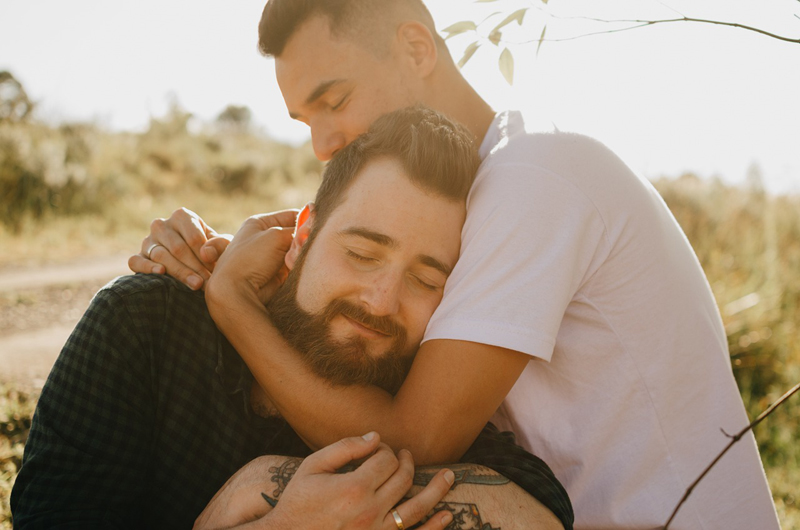
About 9 percent of adults in 30 countries identify themselves as LGBT+, as per a survey conducted by Ipsos.
On average, across the 30 countries surveyed, 3% of adults identify as lesbian or gay, 4% as bisexual, 1% as pansexual or omnisexual, and 1% as asexual, read Ipsos website.
Gen Zers are about twice as likely as Millennials and four times as likely as Gen Xers and Boomers to identify as bisexual, pansexual/ omnisexual, or asexual.
Men are more likely than women to identify as gay/lesbian/homosexual (4% vs. 1% on average globally), but both are equally likely to identify as bisexual, pansexual/omnisexual, or asexual.
Spain is where respondents are most likely to say they are gay or lesbian (6%) while Brazil and the Netherlands are where they are most likely to say they are bisexual (both 7%). Japan is the country they are least likely to identify as either gay or lesbian (less than 1%) and as bisexual (1%), read the website.
On average, across the 30 countries surveyed, 56% say same-sex couples should be allowed to marry legally while 16% say they should be allowed to obtain some legal recognition, but not to marry and just 14% say they should not be allowed to marry or get any kind of legal recognition.
Another 14% are not sure.
Support for same-sex marriage ranges from 49% to 80% in all 20 countries surveyed where it is legal.
In 2021, support for same-sex marriage was significantly higher in 13 of the 15 countries where Ipsos began tracking it in 2013. However, it has plateaued or declined in many countries over the past two years.
Of the 23 countries Ipsos surveyed both in 2021 and this year, nine show a decline of 4 points or more in the percentage saying same-sex couples should be allowed to marry legally (Canada, Germany, the United States, Mexico, the Netherlands, Sweden, Great Britain, Brazil, and Turkey), while only two show an increase of 4 points or more (France and Peru).
Support Our Journalism
We cannot do without you.. your contribution supports unbiased journalism
IBNS is not driven by any ism- not wokeism, not racism, not skewed secularism, not hyper right-wing or left liberal ideals, nor by any hardline religious beliefs or hyper nationalism. We want to serve you good old objective news, as they are. We do not judge or preach. We let people decide for themselves. We only try to present factual and well-sourced news.
Support objective journalism for a small contribution.