


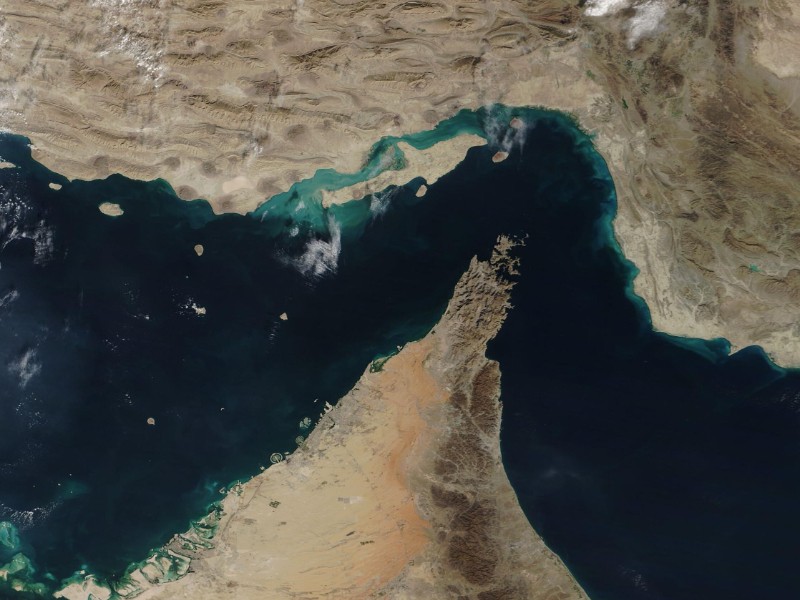
 Strait of Hormuz
'Untrackable' mines block Hormuz: Iran faces challenge in reopening strategic waterway
Iran is facing difficulties in reopening the Strait of Hormuz after losing track of several sea mines it deployed to block the route during recent hostilities, according to a report by The New York Times citing US officials.
The development complicates Tehran’s efforts to restore normal shipping operations through the vital waterway, which handles a significant share of global oil trade.
Mines laid during conflict now pose risk
Iran reportedly deployed mines in the Strait using small boats following joint airstrikes by the United States and Israel during escalating tensions over nuclear issues.
However, officials indicated that the placement of several mines may not have been properly recorded.
Some of the mines were reportedly positioned in a manner that allowed them to drift, further complicating efforts to locate and remove them.
US officials described the mining process as unstructured, making clearance operations more challenging.
Strategic waterway in global energy supply
The Strait of Hormuz connects the Persian Gulf with the Gulf of Oman and the Arabian Sea and remains one of the most important maritime routes in the world.
Approximately 25 percent of global oil shipments pass through the strait, with countries such as India heavily reliant on this route for energy imports.
Any disruption to shipping through Hormuz has immediate implications for global energy markets and supply chains.
IRGC issues navigation warning
The Islamic Revolutionary Guard Corps has warned that vessels passing through the strait face potential risks due to the presence of sea mines.
Authorities have advised ships to follow alternative routes to minimise the danger of collisions.
In a statement, the Iranian military outlined revised entry and exit pathways for vessels transiting the region, citing maritime safety concerns.
Ceasefire meets operational hurdle
Iran had agreed to reopen the Strait of Hormuz as part of a ceasefire arrangement with the United States.
The decision came shortly before a deadline set by US President Donald Trump.
However, the inability to quickly clear the mines has delayed full restoration of traffic through the main shipping channel.
As a result, Iranian authorities have instructed vessels to use alternative routes within the strait.
Impact on diplomatic efforts
The situation adds complexity to ongoing diplomatic engagements between Iran and the United States in Islamabad.
The presence of untrackable sea mines raises safety concerns for commercial shipping.
It also underscores the operational challenges facing Tehran as it seeks to comply with its commitments under the ceasefire framework.
Support Our Journalism
We cannot do without you.. your contribution supports unbiased journalism
IBNS is not driven by any ism- not wokeism, not racism, not skewed secularism, not hyper right-wing or left liberal ideals, nor by any hardline religious beliefs or hyper nationalism. We want to serve you good old objective news, as they are. We do not judge or preach. We let people decide for themselves. We only try to present factual and well-sourced news.
Support objective journalism for a small contribution.


