 Rape
Rape
Rape is wrong but death penalty, castration, not the answer: UN rights chief
New York: While perpetrators of rape and other forms of sexual violence must be held accountable, capital punishment and torture are not the answer, the UN High Commissioner for Human Rights said on Thursday.
Michelle Bachelet has issued a statement calling on governments to step up action against these crimes, improve access to justice and reparations for victims, and institute prompt criminal investigations and prosecutions for those responsible.
Outrage and calls for justice
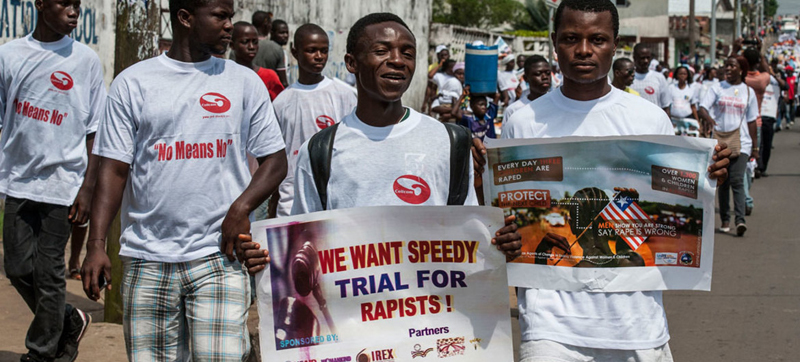
Her intervention comes in the wake of recent reports of horrific rapes in numerous parts of the world, including Algeria, Bangladesh, India, Morocco, Nigeria, Pakistan and Tunisia.
These incidents have prompted outrage and demands for justice.
“I share the outrage and stand in solidarity with the survivors, and with those demanding justice. But I am concerned that there are also calls – and in some places laws already being adopted – bringing in cruel and inhuman punishments and the death penalty for perpetrators,” said Ms. Bachelet.
Castration and capital punishment
The UN human rights chief provided examples of these laws, such as a legal amendment instituted last month in Kaduna state, located in northwestern Nigeria.
The law allows surgical castration for male rapists, and the removal of the fallopian tubes of women convicted of the crime: a surgery known as bilateral salpingectomy. These procedures will be followed by the death penalty if the victim is under 14.
Earlier this week, the government of Bangladesh approved an amendment which introduces the death penalty for rape, while in Pakistan there have been calls for public hanging and castration.
Similar demands for the death penalty have been made elsewhere.
Access to justice is key
While the main argument for capital punishment in this case is the belief that it deters rape, there is no evidence to support this, according to Ms. Bachelet.
“Evidence shows that the certainty of punishment, rather than its severity, deters crime”, she said.
“In most countries around the world, the key problem is that victims of sexual violence do not have access to justice in the first place – whether due to stigma, fear of reprisals, entrenched gender stereotypes and power imbalances, lack of police and judicial training, laws that condone or excuse certain types of sexual violence or the lack of protection for victims.”
A greater role for women
The High Commissioner stressed that the death penalty, or penalties like surgical castration or removal of the fallopian tubes, will not resolve any of the myriad barriers to accessing justice, nor will it serve a preventive role.
“In fact, the death penalty consistently and disproportionately discriminates against the poor and most marginalized individuals, and often results in further human rights violations,” she stated, while pointing out that surgical castration and salpingectomy violate international human rights law.
“I urge States to adopt a victim-centred approach to fighting the scourge of rape and other sexual violence. It is crucial that women are active participants in designing measures to prevent and address these crimes, and that law enforcement and judicial officials receive the requisite training in handling such cases,” she said.
“Tempting as it may be to impose draconian punishments on those who carry out such monstrous acts, we must not allow ourselves to commit further violations.”
Support Our Journalism
We cannot do without you.. your contribution supports unbiased journalism
IBNS is not driven by any ism- not wokeism, not racism, not skewed secularism, not hyper right-wing or left liberal ideals, nor by any hardline religious beliefs or hyper nationalism. We want to serve you good old objective news, as they are. We do not judge or preach. We let people decide for themselves. We only try to present factual and well-sourced news.
Support objective journalism for a small contribution.