


 COVID19
Independent UN experts decry COVID vaccine hoarding: ‘No one is secure until all of us are’
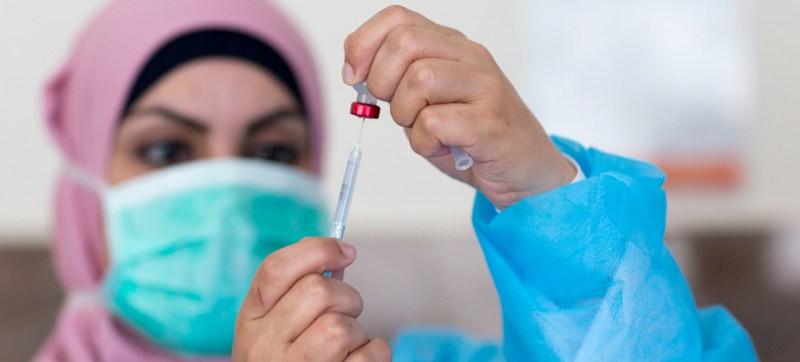
New York: The only way to fight the COVID-19 crisis is to make affordable vaccines available to everyone, independent UN human rights experts said on Monday, underscoring that in an interconnected and interdependent world, “no one is secure until all of us are secure”.
“This pandemic, with its global scale and enormous human cost, with no clear end in sight, requires a concerted, human-rights based and courageous response from all States”, four UN experts together with members of a human rights working group said in a statement on universal access to vaccines.
Spiking ahead
Last month, the World Bank estimated that the pandemic would push between 88 and 115 million people into extreme poverty this year, potentially climbing to a total of 150 million during 2021.
And the UN World Food Programme (WFP) has doubled its pre-COVID-19 estimates of hungry people, to project that 265 million would face crisis levels, unless direct action is taken.
‘No room’ for nationalism
Engaging in a coordinated global effort to share vaccines across borders is the only means of effectively beating the coronavirus.
The UN experts stressed, “there is no room for nationalism in fighting this pandemic”.
“Unfortunately, some Governments are trying to secure vaccines only for their own citizens”, they detailed, adding however, that this would “not achieve their intended purpose” as a successful fight against the pandemic depends on mass immunization.
Equitable access call
The independent experts called on countries to support the COVAX initiative for global equitable access to COVID-19 vaccines led by Gavi, the Vaccine Alliance, the Coalition for Epidemic Preparedness Innovations (CEPI) and the World Health Organization (WHO).
“Under international human rights law, access to any COVID-19 vaccine and treatment must be made available to all who need them, within and across countries, especially those in vulnerable situations or living in poverty”, the experts spelled out.
They also called for international cooperation and assistance between developed and developing countries to ensure widespread sharing of technologies and know-how on COVID-19 vaccines and treatment.
Additionally, the experts said that pharmaceutical companies have a responsibility not to put profits ahead of people’s rights to life and health and should accept restrictions on the patent protection of vaccines they develop.
There is no room for nationalism in fighting this pandemic -- UN independent experts
“This pandemic has affected the whole world”, they reminded. “Now the world must put aside misplaced individual initiatives to monopolize vaccines and supplies, and work together to defeat it”.
Independent experts are appointed by the Geneva-based UN Human Rights Council to examine and report back on a specific human rights theme or a country situation. The experts are not UN staff, nor are they paid for their work. Click here for the experts who signed this statement.
Good news on the horizon
Meanwhile, according to preliminary analysis, the first effective coronavirus vaccine to be developed so far, can prevent more than 90 per cent of people from contracting COVID-19.
The pharmaceutical companies Pfizer and BioNTech, who developed the inoculation, described it as a “great day for science and humanity”, according to news reports.
As the vaccine has been tested on tens of thousands of people across six countries with no safety concerns having been raised, the companies plan to take the vaccine to regulators for final approval, with the hope of it being in widespread use before the end of the year.
There are multiple vaccines in the final stages of testing, but this is the first to show results from the phase three trial procedure.
WHO Director-General Tedros Adhanom Ghebreyesus welcomed the "encouraging vaccine news" and saluted all of the scientists and partners around the world who are "developing new safe, efficacious tools to beat COVID-19".
"The world is experiencing unprecedented scientific innovation and collaboration to end the pandemic!", he said.
Support Our Journalism
We cannot do without you.. your contribution supports unbiased journalism
IBNS is not driven by any ism- not wokeism, not racism, not skewed secularism, not hyper right-wing or left liberal ideals, nor by any hardline religious beliefs or hyper nationalism. We want to serve you good old objective news, as they are. We do not judge or preach. We let people decide for themselves. We only try to present factual and well-sourced news.
Support objective journalism for a small contribution.


