


World food prices fall for third straight month, dip projected for grains – UN
The Food and Agricultural Agency's (FAO) Food Price Index – which measures the monthly change in international prices for cereals, vegetable oils, dairy, meat and sugar – averaged 168 points in April.
The figure is “down 1.8 per cent from March although remaining 10 percent higher than a year earlier,” according to FAO.
The Sugar Price Index is down 9.1 per cent due to large export supplies from Brazil and a continued weak global import demand.
Oil fell 3.9 per cent, pushed by weakening demand for palm oil and expectations of bumper soy harvests and planting in South and North America.
Dairy also fell, about 3.3 per cent, while meat prices rose 1.7 per cent, led by a strong domestic demand for pork in the European Union and increased sale in China.
FAO on Thursday also updated its global cereal production forecasts for 2017, projecting a likely 0.4 per cent annual decline despite stocks remaining close to their record high opening levels.
The Cereal Supply and Demand Brief is expecting a drop in the in the cereal stocks-to-use ratio in 2017/18 to 25.8 per cent, “still a comfortably high figure in historical terms but slightly below the current season's level,” the UN agency said.
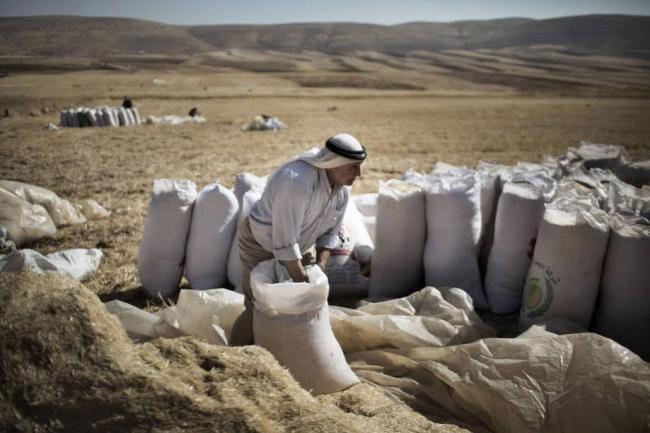
Photo: FAO/Marco Longari
Support Our Journalism
We cannot do without you.. your contribution supports unbiased journalism
IBNS is not driven by any ism- not wokeism, not racism, not skewed secularism, not hyper right-wing or left liberal ideals, nor by any hardline religious beliefs or hyper nationalism. We want to serve you good old objective news, as they are. We do not judge or preach. We let people decide for themselves. We only try to present factual and well-sourced news.
Support objective journalism for a small contribution.