UN-backed programme found to improve working conditions in global garment factories
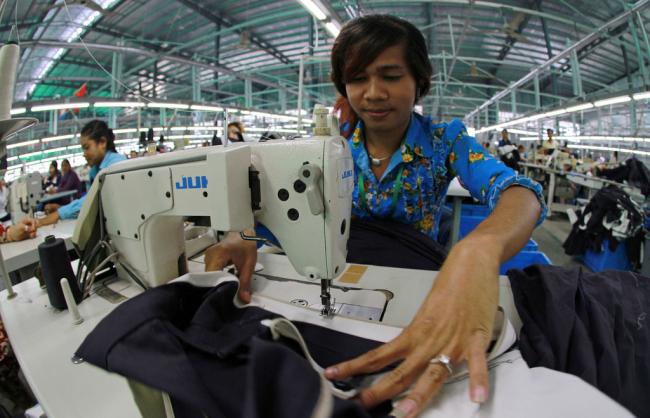
The programme – called Better Work – was established in 2007 by the UN’s International Labour Organization (ILO) and the World Bank Group’s International Finance Corporation. Currently engaging 1,300 factories that employ more than 1.6 million workers, the programme operates in seven countries: Bangladesh, Cambodia, Haiti, Indonesia, Jordan, Nicaragua and Viet Nam.
According an independent review by Tufts University, the Better Work programme moves factories away from practices leading to long working hours, extremely low pay, dismissal threats, or abuse of probationary contracts. Workers are also seeing an increase in their weekly take-home pay and are less and less concerned with excessive overtime and poor wages.
“Evidence of a win-win outcome – improving working conditions while boosting profit margins – has to date largely been anecdotal. Tufts University’s impact assessment has made significant strides in establishing evidence of this relationship,” said Professor Drusilla Brown, lead author of the report.
The review also notes progress in closing the gender pay gap, particularly among garment factories receiving Better Work advisory services in Haiti, Nicaragua and Viet Vam.
ILO noted that the programme has made significant progress in diminishing coercive labour practices and limiting harassment and verbal abuse. In Jordan, reports of sexual harassment fell by 18 per cent, while the incidence of workers feeling fearful in the workplace also declined markedly.
Researchers also found that Better Work’s Supervisory Skills Training is an effective strategy for improving working conditions, as well as for empowering women in the industry. The analysis showed that production lines overseen by Supervisory Skills-trained female line supervisors increased factory productivity by 22 per cent, when compared with lines overseen by supervisors who had not yet received such training.
The report concluded that the gains in working conditions do not come at the expense of business performance. The research established a direct link between better working conditions and higher profit fir Across all factories tracked in Viet Nam, after four years of participation with Better Work, average profitability increased by 25 per cent.
The Better Work programme is supported by Australia (Department of Foreign Affairs and Trade); Denmark (Ministry of Foreign Affairs); the Netherlands (Ministry of Foreign Affairs); Switzerland (State Secretariat for Economic Affairs); and the United States (US Department of Labor).
Photo: World Bank/Chhor Sokunthea
Source: www.justearthnews.com
Support Our Journalism
We cannot do without you.. your contribution supports unbiased journalism
IBNS is not driven by any ism- not wokeism, not racism, not skewed secularism, not hyper right-wing or left liberal ideals, nor by any hardline religious beliefs or hyper nationalism. We want to serve you good old objective news, as they are. We do not judge or preach. We let people decide for themselves. We only try to present factual and well-sourced news.
Support objective journalism for a small contribution.