UN agencies sign agreement on purchasing ‘greener’ health commodities
“We need to make sure that when international organizations procure health commodities, we promote responsible consumption and production patterns and support the Sustainable Development Goals,” said Margaret Chan, Director-General of WHO as she signed the joint statement in Geneva on Wednesday.
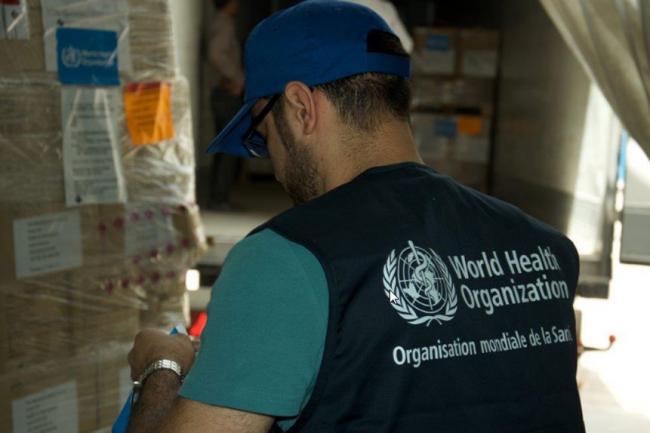
Each year, WHO and its affiliate agencies collect some $3 billion in health commodities, including large amounts of generic anti-retroviral therapies (ARTs), anti-Malaria drugs and insecticide-impregnated bed nets, anti-tuberculosis medicines, condoms, and a variety of vaccines. These are in addition to medical and laboratory equipment.
Procurement activities that promote efficient use of materials, reduce waste, and prioritize products with low carbon footprints are an important means to create cost savings and ensure that the health sector is aligning with the 2030 Agenda for Sustainable Development.
The new agreement is a signal to suppliers and manufacturers that purchasers, particularly those in the international health development sector, will increasingly look for environmentally and socially sourced health commodities.
Going forward, WHO and other signatories will incorporate the commitment as a means to advance their standard practices with suppliers and manufacturers, as well as to improve their institutional strategies and policies.
Photo: UN Iraq
Source: www.justearthnews.com
Support Our Journalism
We cannot do without you.. your contribution supports unbiased journalism
IBNS is not driven by any ism- not wokeism, not racism, not skewed secularism, not hyper right-wing or left liberal ideals, nor by any hardline religious beliefs or hyper nationalism. We want to serve you good old objective news, as they are. We do not judge or preach. We let people decide for themselves. We only try to present factual and well-sourced news.
Support objective journalism for a small contribution.