People over 60 will double by 2050 but little evidence they will be healthier: UN report
In advance of the International Day of Older Persons, which falls on 1 October, WHO Director General Dr. Margaret Chan said “most people, even in the poorest countries, are living longer lives, but this is not enough.”
“We need to ensure these extra years are healthy, meaningful and dignified,” Dr. Chan said.
In his message for the 25th anniversary of the International Day of Older Persons,Secretary-General Ban Ki-moon said older persons are an “enormous asset” to society and called on governments to make cities and human settlements inclusive, safe, resilient and sustainable so that no one – of any age – is left behind.
A report released on Wednesday by WHO stressed that governments must ensure policies that enable older people to continue participating in society and that avoid reinforcing the inequities that often underpin poor health in older age.
Contrary to widespread assumptions, WHO said the report finds that there is very little evidence that the added years of life are being experienced in better health than was the case for previous generations at the same age.
“Unfortunately, 70 does not yet appear to be the new 60,” said Dr. John Beard, WHO Director of the Department of Ageing and Life Course. “But it could be. And it should be.”
Dr. Beard said while some older people may indeed be experiencing both longer and healthier lives, these people are likely to have come from more advantaged segments of society.
But the report rejects the stereotype of older people as frail and dependent and says the many contributions that older people make are often overlooked.
Women, according to the report, who comprise the majority of older people, provide much of the family care for those who can no longer care for themselves.
“As we look to the future, we need to appreciate the importance of ageing in the lives of women, particularly in poorer countries," according to Dr. Flavia Bustreo, WHO Assistant Director- General for Family, Women’s and Children’s Health.
He added, "And we need to think much more about how we can ensure the health of women right across the life course.”
The report highlights three key areas for action, beginning with making cities and communities friendlier to older people.
Also critical is realigning health systems to the needs of older people and governments developing long-term care systems that can reduce inappropriate use of acute health services and ensure people live their last years with dignity.
The theme of this year’s International Day of Older Persons – “Sustainability and age inclusiveness in the urban environment” – highlights the need to make cities inclusive for people of all ages.
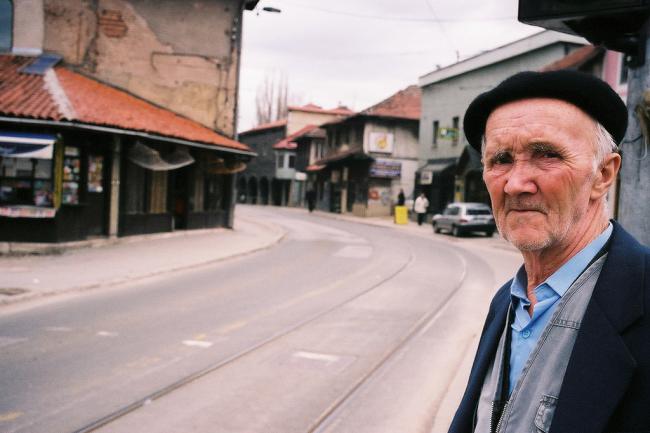
Photo: World Bank/Flore de Préneuf
Support Our Journalism
We cannot do without you.. your contribution supports unbiased journalism
IBNS is not driven by any ism- not wokeism, not racism, not skewed secularism, not hyper right-wing or left liberal ideals, nor by any hardline religious beliefs or hyper nationalism. We want to serve you good old objective news, as they are. We do not judge or preach. We let people decide for themselves. We only try to present factual and well-sourced news.
Support objective journalism for a small contribution.