New UN-backed survey reveals ‘alarming’ damage to world’s high seas and marine ecosystems
The new study identified the increasing cumulative impacts of climate change and human activities on these systems for the deterioration of their health and decline of resource productivity.
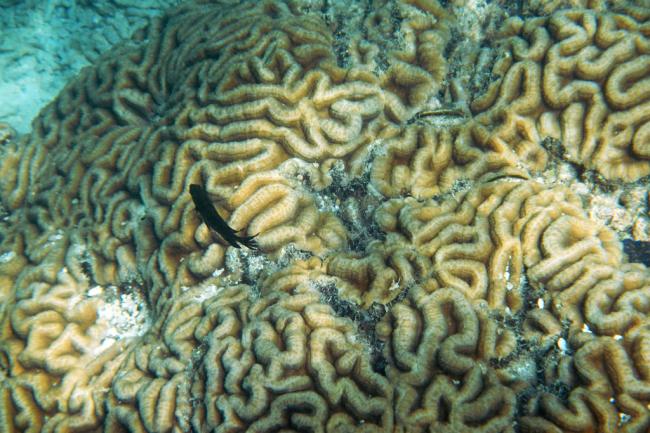
“Sixty percent of the world’s coral reefs are currently threatened by local activities; 50 per cent of all fish stock in large marine ecosystems are overexploited; 64 of the world’s 66 large marine ecosystems have experienced ocean warming in the last decades,” are among the among the alarming statistics from the assessment and detailed in a statement from UNESCO.
The findings were released on Thursday at the Headquarters of the Organization of American States (OAS) in Washington D.C., in the framework of the Transboundary Waters Assessment Programme (TWAP), a project financed by the Global Environment Facility (GEF). The Programme undertook global assessments of the world’s transboundary water systems, including the open ocean and large marine ecosystems, in order to support national decision makers and international organizations set priorities for policy interventions and develop a framework for future periodic assessments.
The statement also noted that the Intergovernmental Oceanographic Commission and the UN Environmental Programme (UNEP) released a suite of products from the TWAP data, including a full global assessment report and a more targeted version in summary form for policy makers.
“The findings from the open ocean and [large marine ecosystems] assessments present projections for disastrous escalation by 2030 and 2050 of the cumulative impacts of local and global hazards ¬– from tourism to climate change ¬– on marine ecosystems,” UNESCO said.
“The assessments nevertheless identify the important potential benefits of globally and regionally integrated governance to address these issues and should help strengthen countries’ capacities to conserve and sustainably use the oceans, seas and marine resources.”
Highlighting the contributions of large marine ecosystems to socio-economic development and to human well-being, UNESCO said those ecosystems alone contribute an estimated $28 trillion annually to the global economy through services and benefits provided by nature, including fish for food and trade, tourism and recreation, coastal protection from flooding and erosion, and the less tangible benefits from cultural, spiritual, and aesthetic connections to nature.
“Maintaining the health and resource productivity of these transboundary water systems should help countries achieve global objectives to reduce poverty and hunger, and promote sustainable economic growth,” added the statement.
Some TWAP findings by the numbers:
Open Ocean:
60 per cent of the world’s coral reefs are currently threatened by local activities.
90 per cent of all coral reefs could be threatened in 2030 by the combined pressures of local activities and climate change.
100 international agreements currently “govern” the open ocean, signaling severe fragmentation.
Large Marine Ecosystems (LMEs):
64 of 66 LMEs have experienced ocean warming since 1957 (“Super-fast” warming in the Northwest / Northeast Atlantic and in Western Pacific).
28 per cent reduction in fish catch potential projected for high-risk LMEs in East Siberian Sea.
50 per cent of all fish stock in LMEs are overexploited.
Photo: UNEP GRID Arendal/Peter Prokosch
Source: www.justearthnews.com
Support Our Journalism
We cannot do without you.. your contribution supports unbiased journalism
IBNS is not driven by any ism- not wokeism, not racism, not skewed secularism, not hyper right-wing or left liberal ideals, nor by any hardline religious beliefs or hyper nationalism. We want to serve you good old objective news, as they are. We do not judge or preach. We let people decide for themselves. We only try to present factual and well-sourced news.
Support objective journalism for a small contribution.