


'Go wild for life,' UN says on World Environment Day
“We have chosen this theme because damage from this trade has become so serious and so far reaching that urgent action is needed to reverse it,” UNEP Executive Director Achim Steiner said in a video message on the occasion of the Day, celebrated annually on 5 June.
The UN official underlined that the effects of wildlife trade include the destruction of natural capital in which many nations could build healthy tourism industries; the spread of corruption and the undermining of the rule of law all around the world; and the “fattening of purses” of the international crime syndicates.
“This must stop and the time to take action is long overdue,” he insisted, calling on all individuals to use their “spheres of influence” to help end the illegal trade in wildlife by engaging in the “Go Wild for Life” campaign.
With the aim of reducing the demand for illegal wildlife products, the campaign stresses that that greed, fashion, ignorance, indifference, investment, corruption, pseudo medicinal use and cultural belief should not be allowed to endanger any species of animal or plant or tree.
It is giving special attention to eight species in particular: orangutans, sea turtles, pangolins, rosewoods, helmeted hornbills, tigers, elephants and rhinos.
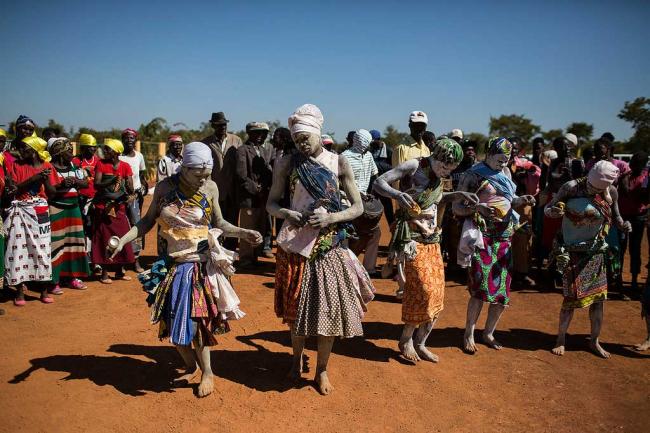
Noting that Angola is this year's host country for World Environment Day, Steiner announced that the country is making strong commitments to combat wildlife crime by shutting down its domestic ivory trade and taking action to stop smuggling over its borders.
“We support the actions of countries like Angola to join this fight,” he said. “We must be united in this cause, we must think globally, but also act locally, and we must have zero tolerance for poaching and illegal trade in wildlife.”
In a similar message, Yury Fedotov, Executive Director of the UN Ofice on Drugs and Crime (UNODC) said criminal networks and poachers have scant regard for biodiversity, or the terrible impact their actions have on our fragile environment and vulnerable communities. Every country suffers either as a source, transit or destination for these products. UNODC's World Wildlife Crime Report shows that 7,000 species were found in more than 164,000 seizures affecting 120 countries.
“The global nature of this crime compels us to stand united and to promote global solutions to halt the catastrophic poaching and trafficking of wildlife. Our Wildlife Report is helping by providing a global assessment that will allow the international community to design effective and efficient solutions,” he said, stressing that wildlife crime deprives people of a sustainable livelihood. “These crimes are also closely connected to fraud, money laundering, human trafficking, corruption and brutal violence, among other crimes,” he said.
As such, UN Secretary-General Ban Ki-moon urged governments and citizens everywhere to help end the practice, noting that there is “great cause for alarm,” as elephants are being slaughtered for their ivory, rhinos for their horns, and pangolins for their scales.
“The United Nations and its many partners have resolved to tackle this illicit trade, including by setting clear targets to put an end to poaching in the Sustainable Development Goals (SDGs), adopted last year by all 193 Member States,” he recalled.
Meanwhile, UNEP is underlining five quick steps that citizens can take action, including through arts and crafts exhibitions, film festivals, flash mobs and social media activities.
Support Our Journalism
We cannot do without you.. your contribution supports unbiased journalism
IBNS is not driven by any ism- not wokeism, not racism, not skewed secularism, not hyper right-wing or left liberal ideals, nor by any hardline religious beliefs or hyper nationalism. We want to serve you good old objective news, as they are. We do not judge or preach. We let people decide for themselves. We only try to present factual and well-sourced news.
Support objective journalism for a small contribution.


