


 Lebaon
Fuel crisis in Lebanon potential catastrophe for thousands: senior UN official
New York: Reliable fuel and electricity supply are urgently needed in Lebanon to avert a potential “humanitarian catastrophe”, the top UN aid official in the country warned on Tuesday.
Najat Rochdi, UN Humanitarian Coordinator for Lebanon, said fuel shortages are threatening provision of essential health and water services, putting thousands of families at risk.
“I am deeply concerned about the impact of the fuel crisis on access to health care and water supply for millions of people in Lebanon. A bad situation only stands to get worse unless an instant solution is found,” she said in a statement.
Cutting back operations
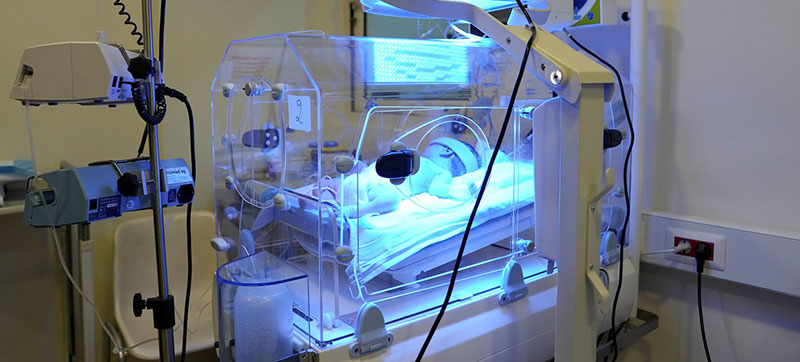
The fuel and electricity shortages have forced Lebanon’s largest hospitals to reduce their activities. At the same time, public water supply and wastewater treatment systems that rely on fuel have cut back on their operations, leaving millions without access to water, and jeopardizing environmental and public health.
Lebanon’s health system is already facing significant threats due to the country’s deteriorating socio-economic conditions, including medication shortages and the loss of hundreds of personnel who have migrated abroad.
With another wave of COVID-19 infections looming, the fuel crisis could worsen the health situation as continued shortages may affect delivery of lifesaving treatments, Ms. Rochdi said. Reports indicate that Intensive Care Unit (ICU) beds for COVID-19 patients are already a quarter full. As most patients rely on ventilators, the disruption in electricity supply could impact their recovery.
Power cuts were also behind a weeklong shutdown at the water authorities in the capital Beirut, and the Mount Lebanon area. Counterparts in the north and south have also faced depleted fuel stocks, sparking rising tensions and insecurity.
Restore electricity supply
Meanwhile, the country’s chief electricity provider, Electricité du Liban (EDL), has halted main power service lines to water authorities, affecting roughly four million people across the country.
Ms. Rochdi stressed that restoring power supply from EDL is critical for the Lebanese people and the humanitarians who support them. “The risks are simply too great. All stakeholders must work together to find a sustainable and equitable solution that serves the needs of all and protects the health and safety of communities,” she said, underlining that the UN and partners stand ready to assist affected populations
Support Our Journalism
We cannot do without you.. your contribution supports unbiased journalism
IBNS is not driven by any ism- not wokeism, not racism, not skewed secularism, not hyper right-wing or left liberal ideals, nor by any hardline religious beliefs or hyper nationalism. We want to serve you good old objective news, as they are. We do not judge or preach. We let people decide for themselves. We only try to present factual and well-sourced news.
Support objective journalism for a small contribution.


