


Greenpeace says India's INDC targets step in right direction - rationale for doubling coal based power unclear
According to Pujarini Sen, Climate and Energy Campaigner for Greenpeace India, Clear articulation of a Renewable Energy target would also have been in keeping with expectations for climate justice, as these are the people most vulnerable to climate change.
"Given the growth in the renewable energy sector, we would have liked to see a specific target for solar and wind. 40% of electricity from renewable energy by 2030 is definitely possible, especially so with financial and technical support,” said Sen.
“Decentralised renewable energy systems, along with grid reforms, provides an opportunity for over 300 million Indians to get access to electricity for the first time in their lives. The Dharnai modelin Bihar we’ve worked in partnership with local communities, Government and other organisations to establish, is a model solution for towns, villages and people across Bihar and India that have been deprived of energy for decades. Building around the INDC announcement today, we’d urge Governments, political parties and other decision makers across the spectrum to support the replication of such models” Sen added.
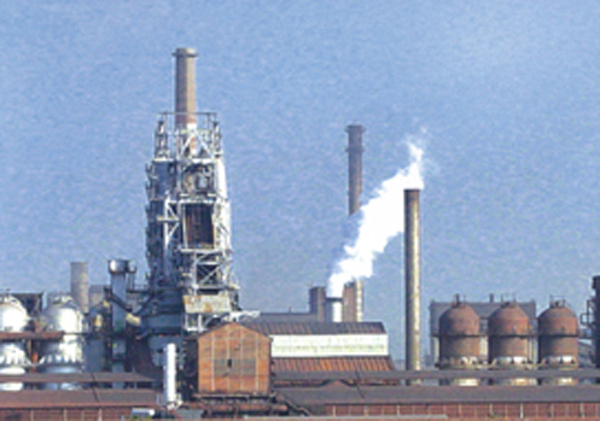
“On the other hand, the scale of expansion of another 170-200 GW power from coal is baffling. This will set back India’s development prospects, by worsening problems of air quality and water scarcity, as well as contributing to the destruction of forests from mining, and the displacement of communities. Financial analysts have predicted that electricity from renewable energy, especially solar, will be cheaper than coal within a few years , so where is the economic rationale for investing in what might well be stranded assets?" said Sen.
Sanjay Vashist, Director, Climate Action Network South Asia (CANSA), said, "India, through its announced INDC, demonstrates its willingness to play an important role on the international stage ahead of the climate talks in December in Paris. India's signal could no doubt be much stronger - going even further to help the international community avoid unmanageable climate impacts - should the rich and developed countries step up and provide adequate finance and technology support."
The INDC also targets the creation of an additional carbon sink of up to 3 billion tonnes of CO2 equivalent through additional forest and tree cover. “While this target is admirable, the government needs to ensure that any afforestation or forest regeneration programmes recognise the primacy of community rights and avoid monoculture plantations. More importantly, the government should prioritise protecting existing forests, including from threats such as coal mining, to achieve the stated forest targets,” concluded Sen.
Support Our Journalism
We cannot do without you.. your contribution supports unbiased journalism
IBNS is not driven by any ism- not wokeism, not racism, not skewed secularism, not hyper right-wing or left liberal ideals, nor by any hardline religious beliefs or hyper nationalism. We want to serve you good old objective news, as they are. We do not judge or preach. We let people decide for themselves. We only try to present factual and well-sourced news.
Support objective journalism for a small contribution.


