


 Climate Change
Deadly heat at Hajj getting worse due to climate change, scientists say
Climate change and rising temperatures are altering the pattern of the annual Islamic pilgrimage, Hajj, a new study has revealed.
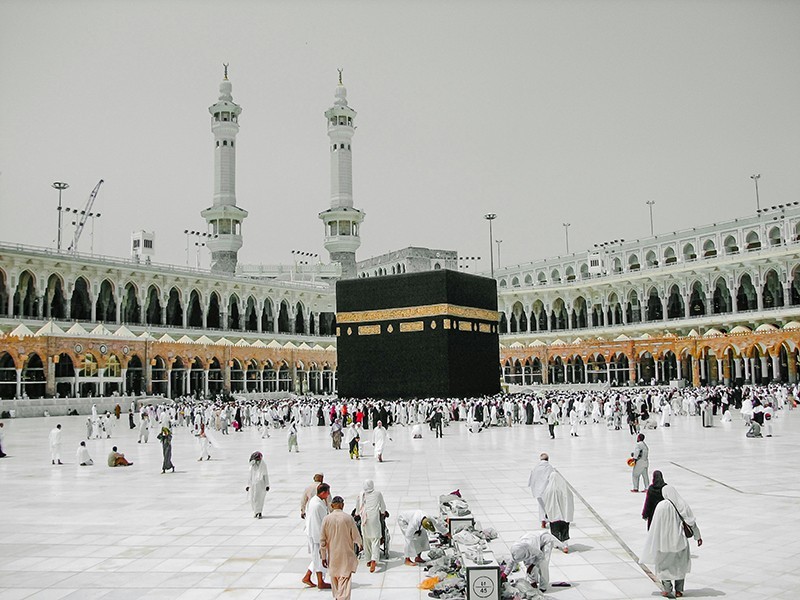
Hajj, one of the holiest pilgrimages in Islam, is held every year in Saudi Arabia — one of the world’s most arid regions — and marks one of the largest religious gatherings globally.
According to reports, this year’s pilgrimage took place amid scorching temperatures exceeding 40 degrees Celsius.
A study by the Britain-based World Weather Attribution group found that temperatures in Saudi Arabia are rising earlier in the year and reaching increasingly dangerous extremes. The study warned that the pilgrimage is becoming more hazardous not only during the peak summer months — when more than 1,300 pilgrims reportedly died during the 2024 Hajj as temperatures soared to 51°C — but also during the spring season.
The report noted that pilgrims often spend 20 to 30 hours outdoors, frequently walking in dense crowds, making them highly vulnerable to heat exhaustion and heat stroke. It added that temperatures now recorded in May were typically seen only between June and August during the 1960s and 1970s, highlighting the growing impact of human-induced climate change.
“Saudi Arabia’s climate has always been extremely hot, and Hajj pilgrimages held during the summer months have long carried risks of heat stroke and other heat-related illnesses. As temperatures continue to rise due to climate change, those dangers are becoming even more severe,” the study said.
In response, Saudi authorities have introduced extensive heat-action measures, including shaded walkways, cooling stations, misting systems and expanded medical services. These initiatives have helped reduce cases of heat stroke and other heat-related illnesses among pilgrims.
However, the study also noted that access to such protections has not been uniform. In particular, pilgrims travelling without official permits may face limited access to safe food, drinking water, cooling infrastructure and medical support.
Support Our Journalism
We cannot do without you.. your contribution supports unbiased journalism
IBNS is not driven by any ism- not wokeism, not racism, not skewed secularism, not hyper right-wing or left liberal ideals, nor by any hardline religious beliefs or hyper nationalism. We want to serve you good old objective news, as they are. We do not judge or preach. We let people decide for themselves. We only try to present factual and well-sourced news.
Support objective journalism for a small contribution.


