


 Europe COVID19 Vaccine
COVID-19 vaccine rollout ‘unacceptably slow’ in Europe, WHO warns
New York: Rollout of COVID-19 vaccines in Europe is “unacceptably slow” as new cases increase among practically all age groups there, according to the regional office of the World Health Organization (WHO), which covers 53 countries and territories.
Most countries saw a rise in coronavirus transmission last week, with 1.6 million new cases and nearly 24 000 deaths, the UN office has reported.
“Vaccines present our best way out of this pandemic. Not only do they work, they are also highly effective in preventing infection. However, the roll-out of these vaccines is unacceptably slow,” said Dr. Hans Kluge, the WHO’s Regional Director.
Mounting concern
Among the world’s regions, Europe is the second most affected by COVID-19. Total deaths are fast approaching one million, and the caseload is set to surpass 45 million.
New cases are rising in all age groups, except for people aged 80 and older, thus “reflecting early signs of the impact of vaccination”, according to the UN agency.
“Only five weeks ago, the weekly number of new cases in Europe had dipped to under one million, but now the Region’s situation is more worrying than we have seen in several months”, said Dr Dorit Nitzan, WHO Regional Emergency Director.
“There are risks associated with the increased mobility and gatherings over the religious holidays. Many countries are introducing new measures that are necessary and everyone should follow as much as they can”, she added.
Variants spreading
Meanwhile, COVID-19 variants continue to spread. The B.1.1.7 variant, initially detected in the United Kingdom, has been reported in 50 countries or territories.
WHO said this variant is more transmissible and can increase the risk of hospitalization, meaning it has greater impact on public health.
Data from the UK suggests COVID-19 vaccines have saved more than 6,000 people over 70, since vaccination started in December. Additionally, information from Israel further reveals the Pfizer–BioNTech vaccine is around 90% effective at preventing infection, severe disease and hospitalization after the second dose.
Ramp up production
Dr. Kluge said as long as vaccine coverage remains low, ongoing public health measures will still have to be implemented to compensate for delayed schedules.
“Let me be clear: we must speed up the process by ramping up manufacturing, reducing barriers to administering vaccines, and using every single vial we have in stock, now”, he stressed.
So far, only 10% of the region’s population has received one vaccine dose, and just four per cent have been fully vaccinated. “The risk of ongoing vaccination providing a false sense of security to authorities and the public alike, is considerable – and that carries a danger”, he said.
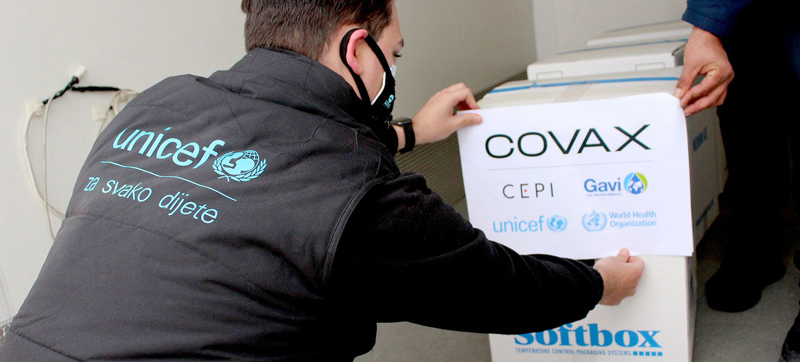
He urged governments to share excess doses with the global vaccine solidarity mechanism COVAX, or with countries in need.Dr. Kluge also pointed to the dichotomy across Europe, where there is both “remarkable solidarity across borders” but also vaccine “hoarding” on the part of some countries.
Support Our Journalism
We cannot do without you.. your contribution supports unbiased journalism
IBNS is not driven by any ism- not wokeism, not racism, not skewed secularism, not hyper right-wing or left liberal ideals, nor by any hardline religious beliefs or hyper nationalism. We want to serve you good old objective news, as they are. We do not judge or preach. We let people decide for themselves. We only try to present factual and well-sourced news.
Support objective journalism for a small contribution.


