 Arctic
Arctic could be ice-free in summer by 2030: Study
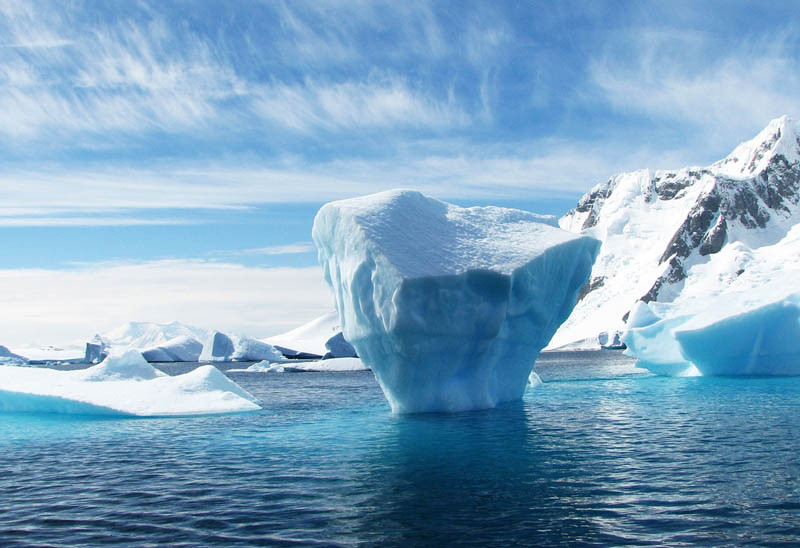
A new study has found that the Arctic would be 'ice-free' by as early as the 2030s.
The new study was published in the journal Nature Communications on Tuesday.
"Results indicate that the first sea ice-free September will occur as early as the 2030s–2050s irrespective of emission scenarios," reads the study as released in the journal Nature Communications.
"Extended occurrences of an ice-free Arctic in the early summer months are projected later in the century under higher emissions scenarios," read the website.
The study further said: "This would affect human society and the ecosystem both within and outside the Arctic, through changing Arctic marine activities as well as further accelerating the Arctic warming and thereby altering Arctic carbon cycling."
Seung-Ki Min, lead author of the study and professor at Pohang University of Science and Technology in South Korea, told CNN: "We were surprised to find that an ice-free Arctic will be there in summer irrespective of our effort at reducing emissions, which was not expected."
Once Arctic summers become ice-free, the buildup of sea ice in the colder seasons will be much slower, Min said. The warmer it gets, the more likely the Arctic is to stay free of sea ice further into the colder season.
Under a “higher emissions pathway” – in which the world continues to burn fossil fuels and levels of planet-warming pollution continue to rise – the study projects the Arctic will see a complete loss of sea ice from August until as late as October before the 2080s, Min told CNN.
This new study shows it could happen 10 years earlier, regardless of emission scenarios, Min said.
Support Our Journalism
We cannot do without you.. your contribution supports unbiased journalism
IBNS is not driven by any ism- not wokeism, not racism, not skewed secularism, not hyper right-wing or left liberal ideals, nor by any hardline religious beliefs or hyper nationalism. We want to serve you good old objective news, as they are. We do not judge or preach. We let people decide for themselves. We only try to present factual and well-sourced news.
Support objective journalism for a small contribution.