


 Violence
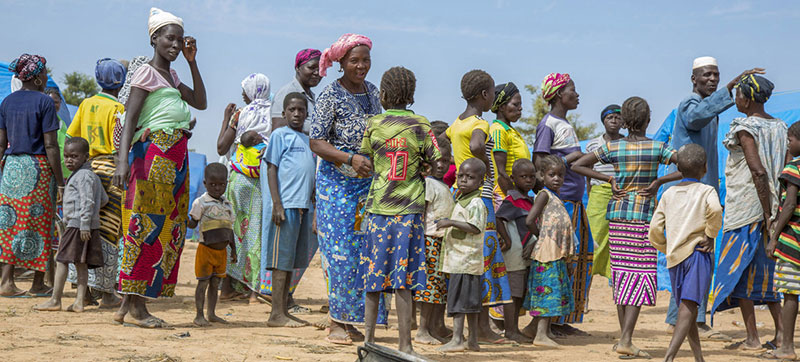
Violence, insecurity and climate change drive 84 million people from their homes
New York: As more people flee violence, insecurity and the effects of climate change, the number forcibly displaced now exceeds 84 million globally, according to new data released on Thursday by the UN refugee agency, UNHCR.
UNHCR’s Mid-Year Trends report, covering the first six months of this year, revealed a surge from 82.4 million since December – largely due to internal displacement – with more people fleeing multiple active conflicts around the world, especially in Africa.
It also noted that COVID-19 border restrictions continue to limit asylum access in many locations.
“The international community is failing to prevent violence, persecution and human rights violations, which continue to drive people from their homes”, said UN High Commissioner for Refugees Filippo Grandi.
Breaking down figures
Flaring conflict and violence around the world during the first half of this year forced nearly 51 million people to flee within their own countries, with most new displacements occurring in Africa.
The Democratic Republic of the Congo (DRC) witnessed 1.3 million displacements and Ethiopia, 1.2 million, the report detailed.
Meanwhile violence in Myanmar and Afghanistan also saw an increase in the number driven to leave home.
At the same time, the number of refugees also continued to increase during the first half of the year, reaching nearly 21 million.
UNHCR observed that most new refugees came from just five countries: Central African Republic, 71,800; South Sudan, 61,700; Syria, 38,800; Afghanistan, 25,200; and Nigeria, 20,300.
“The international community must redouble its efforts to make peace, and at the same time must ensure resources are available to displaced communities and their hosts”, warned the High Commissioner.
Toxic blend
A lethal mix of conflict, COVID-19, poverty, food insecurity and the climate emergency has compounded the humanitarian plight of the displaced, most of whom are being hosted in developing regions.
“The effects of climate change are exacerbating existing vulnerabilities in many areas hosting the forcibly displaced”, said the High Commissioner.
And solutions for forcibly displaced populations remain in short supply.
During the first half of the year, less than one million internally displaced people and 126,700 refugees were able to return home.
“It is the communities and countries with the fewest resources that continue to shoulder the greatest burden in protecting and caring for the forcibly displaced, and they must be better supported by the rest of the international community”, said Mr. Grandi.
Support Our Journalism
We cannot do without you.. your contribution supports unbiased journalism
IBNS is not driven by any ism- not wokeism, not racism, not skewed secularism, not hyper right-wing or left liberal ideals, nor by any hardline religious beliefs or hyper nationalism. We want to serve you good old objective news, as they are. We do not judge or preach. We let people decide for themselves. We only try to present factual and well-sourced news.
Support objective journalism for a small contribution.


