


 Bitcoin
US sanctions Iranian firms over Strait of Hormuz 'insurance' scheme accepting Bitcoin
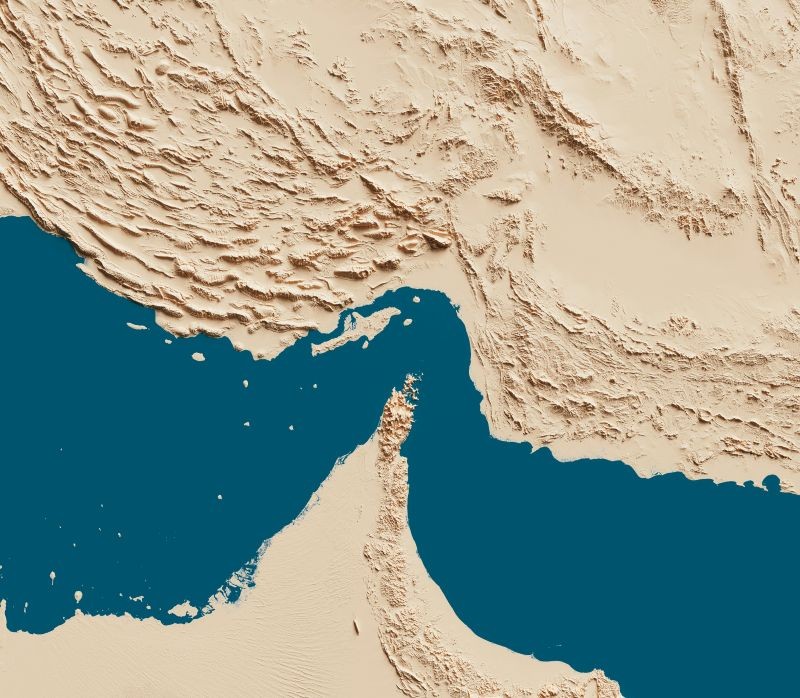
The U.S. Department of the Treasury's Office of Foreign Assets Control (OFAC) has designated two Iranian firms for allegedly forcing commercial vessels to purchase mandatory maritime "insurance" to transit the Strait of Hormuz.
In a statement issued on Friday, the Treasury said the move was aimed at countering what it described as Iran's efforts to monetize one of the world's busiest maritime chokepoints and generate revenue for the country's struggling economy.
"Today, the U.S. Department of the Treasury's Office of Foreign Assets Control (OFAC) is taking further action against the Iranian regime's desperate efforts to monetize the Strait of Hormuz and prop up the nation's failing economy," the statement said.
The Treasury alleged that the insurance coverage, which claims to protect vessels against risks such as seizures, is largely designed to address threats created by Iran itself.
According to the department, the Persian Gulf Marine Insurance Company (PGMIC) and HormuzSafe Marine Services Authority (Hormuz Safe) broker insurance policies approved by the Islamic Revolutionary Guard Corps (IRGC). The Treasury said the firms compel vessels transiting the Strait to purchase these policies, including through payments made in cryptocurrencies, allowing Iran to evade sanctions while tightening its control over international shipping and channeling funds to IRGC operations.
"With its economy in freefall and inflation in the triple digits, the regime is desperate for cash," Treasury Secretary Scott Bessent said. "The United States will not allow Iran to hold global commerce hostage or use international shipping to finance the IRGC's terrorism, aggression, and repression."
The Treasury also announced additional sanctions targeting several vessels involved in transporting Iranian crude oil and petrochemical products, saying the measures reinforce U.S. military interdiction efforts and intensify pressure on Iran's energy exports.
Since the beginning of the year, OFAC has sanctioned more than 100 vessels linked to Iran's so-called "shadow fleet"—a covert logistics network that enables Tehran to continue exporting oil despite international sanctions.
The Treasury said that after revenue streams were disrupted by Operation Epic Fury, Iran introduced what it described as an illegitimate scheme through PGMIC and Hormuz Safe to extort commercial vessels conducting routine passages through the Strait of Hormuz.
Established by the Central Insurance of the Islamic Republic of Iran, the country's primary insurance regulator, PGMIC brokers and issues insurance policies approved by the U.S.-designated, IRGC-backed Persian Gulf Strait Authority (PGSA). According to the Treasury, the policies cover risks—many allegedly created by Iran itself, such as vessel seizures—and are intended to generate revenue to support the regime's activities.
What is Hormuz Safe?
Hormuz Safe is an Iranian digital maritime insurance company that describes itself as a provider of maritime services, including insurance, traffic control, security, and emergency response, for vessels transiting the Strait of Hormuz.
According to the U.S. Treasury, the platform was developed by Iran's Ministry of Economy and accepts payments in Bitcoin and other cryptocurrencies as part of Tehran's efforts to circumvent Western sanctions.
The Treasury further alleged that sanctioned Iranian financier Babak Morteza Zanjani promoted Hormuz Safe on his social media platforms earlier this year.
According to the U.S. Treasury, Hormuz Safe generates revenue on behalf of the IRGC while enabling the Iranian regime to exert greater control over commercial shipping through the strategically vital Strait of Hormuz.
Support Our Journalism
We cannot do without you.. your contribution supports unbiased journalism
IBNS is not driven by any ism- not wokeism, not racism, not skewed secularism, not hyper right-wing or left liberal ideals, nor by any hardline religious beliefs or hyper nationalism. We want to serve you good old objective news, as they are. We do not judge or preach. We let people decide for themselves. We only try to present factual and well-sourced news.
Support objective journalism for a small contribution.


