


 UN
UN
UNICEF warns of deepening inequalities in Europe and Central Asia
The COVID-19 pandemic, climate disasters and ongoing conflict have deepened inequalities among children in Europe and Central Asia, the UN Children’s Fund (UNICEF) said in a report published on Thursday, calling for more robust support for boys and girls at risk of poverty and social exclusion.
The report on children’s rights is the first of its kind to bring together existing data and analysis for all countries in the region, while highlighting critical data gaps that need to be filled.
Data deficit
UNICEF Regional Director Afshan Khan said the war in Ukraine, the pandemic, climate change and the current economic and energy crisis have plunged many families into uncertainty, affecting their well-being and that of their children.
Tweet URL
“However, lack of data of how these events have affected children’s rights makes it difficult to assess how we can meet the needs of the most vulnerable children and families, so that no child in the region is left behind,” she added.
At a disadvantage
An estimated 35 to 40 million children across Europe and Central Asia are living in poverty, according to UNICEF. The report reveals inequalities in access to healthcare and education for some of the most vulnerable.
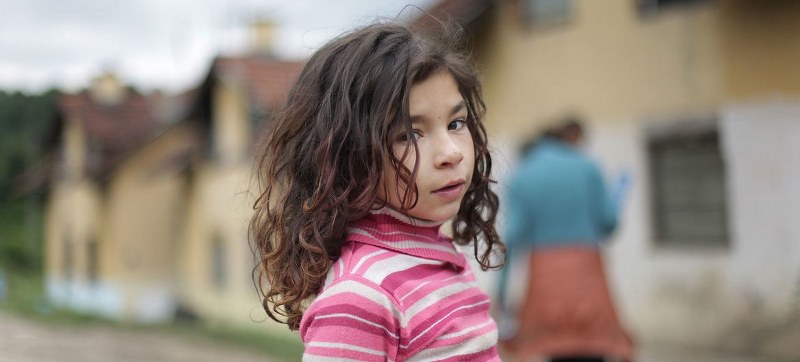
For example, Roma children, along with some 11 million boys and girls with disabilities, are among the most disadvantaged when it comes to access to quality education.
Preventable deaths
Although the region includes countries with the lowest number of infant and child deaths globally, under-five mortality rates in some nations are higher than the global average. More than half of these deaths are due to preventable and treatable diseases.
Europe and Central Asia also have some of the world’s highest rates of children separated from their families, or in care homes. Again, Roma children and those with disabilities are disproportionally represented in residential care.
The pandemic caused severe disruptions to routine immunization services, with 95 per cent of countries showing backsliding in coverage. “As a result, every year, almost one million children in the region do not receive their scheduled vaccinations,” UNICEF said.
Toll on mental health
The global crisis also affected children’s emotional and mental wellbeing, and suicide is now the second leading cause of death in high-income countries in the region, according to the report.
UNICEF said air pollution is the single most significant environmental risk in the region, impacting an estimated four out of five children in Europe and Central Asia. Additionally, communities also lack the knowledge and skills they need to protect themselves from the impacts of climate change.
Ukraine war effect
The Russian invasion of Ukraine has sparked an unprecedented exodus from the country, and the number of refugees and migrants arriving in Europe and Central Asia from other parts of the world also continues to increase.
Host countries have been stretched to capacity to sustain equal access to quality basic services, with gaps in areas such as accommodation and sanitation facilities, health and protection services, and care and support for unaccompanied and separated children.
Social protection programmes
Last year, UNICEF published a report on how the economic fallout from the war has had an impact on child poverty in Europe and Central Asia. Since then, the agency has been calling for countries to expand and strengthen social protection systems, including cash assistance programmes.
In issuing its latest study, UNICEF urged governments to meet the needs of every child, especially the most vulnerable, and to prioritize children in the collection and analysis of data.
Support Our Journalism
We cannot do without you.. your contribution supports unbiased journalism
IBNS is not driven by any ism- not wokeism, not racism, not skewed secularism, not hyper right-wing or left liberal ideals, nor by any hardline religious beliefs or hyper nationalism. We want to serve you good old objective news, as they are. We do not judge or preach. We let people decide for themselves. We only try to present factual and well-sourced news.
Support objective journalism for a small contribution.


