UN rights experts sounds alarm on 'critical situation' faced by indigenous peoples of Honduras
“A fundamental problem faced by indigenous peoples is the lack of full recognition, protection and enjoyment of their rights to ancestral lands, territories and natural resources,” Victoria Tauli-Corpuz, the UN Special Rapporteur on the rights of indigenous peoples, said at the end of her nine-day official mission to Honduras.
The Honduran indigenous communities are demanding saneamiento (title clearing) of their collective lands to address the third parties issue and disputes in their territories, noted the expert.
As such, she urged the Government to implement the full agreement reached with the indigenous communities to finalize the saneamiento process and to strengthen governance systems to ensure indigenous peoples’ rights to lands.
Rights to natural resources is another concern raised by the indigenous people, Tauli-Corpuz indicated, with reports showing grave human rights violations including killings, threats and intimidation.
“Unfortunately, this is not an isolated situation, and similar human rights abuses have been reported to me in the context of other hydro-electric projects affecting Lenca people, mining and logging concessions affecting the Tolupan people or tourism and infrastructure projects in Garifuna lands,” regretted the expert.
Deeply concerned about indigenous peoples’ vulnerability to human rights violations and impunity, Tauli-Corpuz said “there is a dire need for effective legal, administrative or other mechanisms to enable indigenous peoples to present complaints for violations of their territorial, cultural and basic human rights and to obtain redress.”
Despite the importance of access to justice, the expert further drew attention to the rights of indigenous women and children and addressed the problem of violence against them.
Greater support is also needed to the economic and social empowerment of indigenous peoples, noted Tauli-Corpuz, while calling for their equal employment opportunities.
Meanwhile, Tauli-Corpuz praised Honduras’ ratification of International Labour Organization (ILO) Convention 169 on Indigenous and Tribal Peoples and its favourable vote on the adoption of the UN Declaration on the Rights of Indigenous Peoples. She also noted some specific institutions as well as various legislative and public policy initiatives concerning indigenous issues.
Independent experts or special rapporteurs are appointed by the Geneva-based UN Human Rights Council to examine and report back on a country situation or a specific human rights theme. The positions are honorary and the experts are not UN staff, nor are they paid for their work.
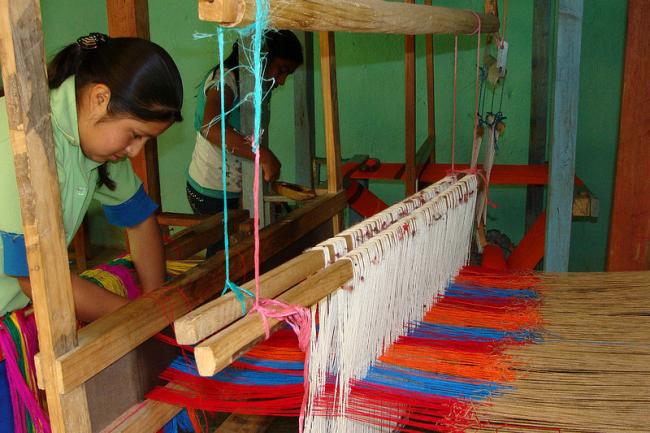
Photo: UNDP Honduras
Support Our Journalism
We cannot do without you.. your contribution supports unbiased journalism
IBNS is not driven by any ism- not wokeism, not racism, not skewed secularism, not hyper right-wing or left liberal ideals, nor by any hardline religious beliefs or hyper nationalism. We want to serve you good old objective news, as they are. We do not judge or preach. We let people decide for themselves. We only try to present factual and well-sourced news.
Support objective journalism for a small contribution.