 Pakistan Nutrition
UN report says Pakistan is currently facing imminent nutrition crisis
A new report published by the United Nations and its humanitarian partners has shown that the country is experiencing an imminent nutrition crisis.
The country is facing the situation specially due to the pre-existing high rates of malnutrition in flood-affected regions.
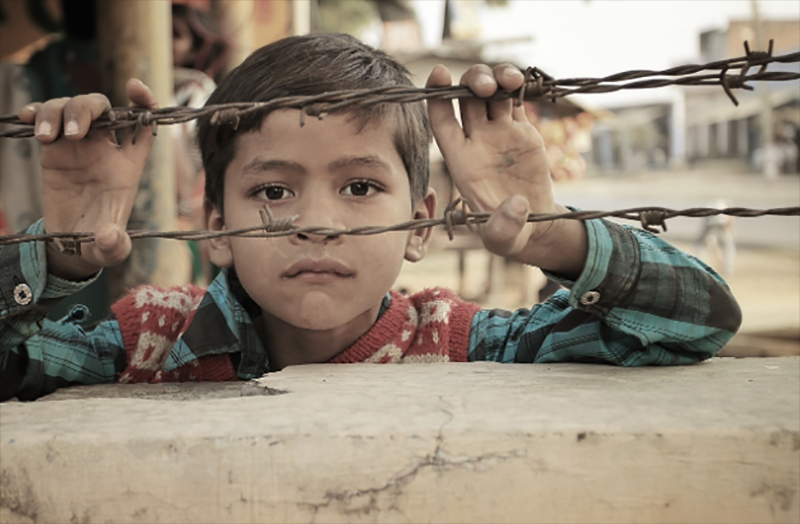
Of particular concern is the increasing malnutrition among young children, as under-nutrition accounts for nearly half of all deaths in children under five. Shockingly, one in five children under-five in Pakistan suffer from wasting, with severe and moderate acute malnutrition rates at 8 per cent and 9.7 per cent, respectively, according to the report released by UN Office for the Coordination of Humanitarian Assistance (UNOCHA) on Wednesday, reports Dawn News.
The 84 districts affected by the 2022 monsoon flooding display distressing nutrition indicators. These districts have an average severe acute malnutrition rate of 12 per cent, impacting over 3.5 million children. Among them, more than 1.45m children require treatment with Ready to Use Therapeutic Food (RUTF) due to severe wasting.
Several factors contribute to acute malnutrition, including poor maternal nutrition, inadequate sanitation and hygiene, suboptimal care and feeding practices, and limited access to essential nutrition services and nutritious diets.
Support Our Journalism
We cannot do without you.. your contribution supports unbiased journalism
IBNS is not driven by any ism- not wokeism, not racism, not skewed secularism, not hyper right-wing or left liberal ideals, nor by any hardline religious beliefs or hyper nationalism. We want to serve you good old objective news, as they are. We do not judge or preach. We let people decide for themselves. We only try to present factual and well-sourced news.
Support objective journalism for a small contribution.