


 Afghanistan-Pakistan
Tracing the ISI’s narco trail from Afghanistan to Pakistan
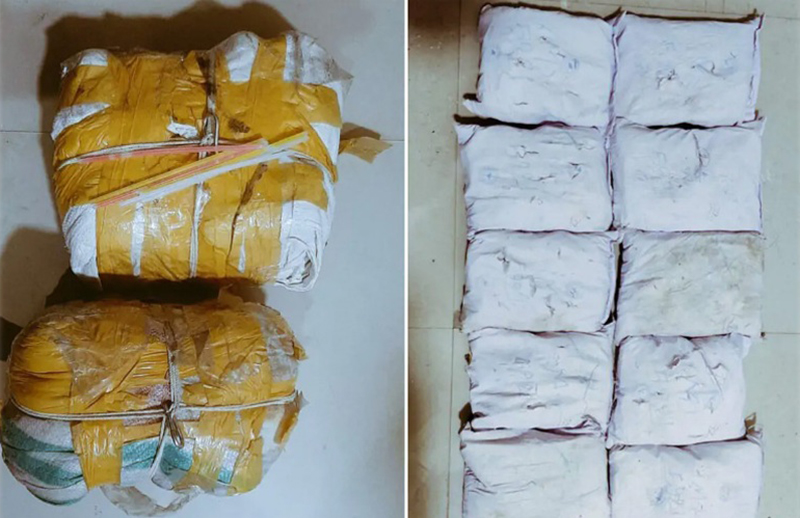
In the murky realm of international espionage and clandestine operations, few tales are as convoluted and sinister as the nexus of narcotics, war, and covert agencies. This is a tale of how the tentacles of drug trade, stretching from the rugged terrains of Afghanistan to the streets of North America, have not only fueled global conflicts but also sustained powerful intelligence agencies, most notably the CIA and Pakistan’s ISI (Inter-Services Intelligence).
While the CIA has long been scrutinized for its controversial role in international drug trafficking – infamously earning the nickname “Cocaine Incorporated” – it’s the lesser-known but equally significant role of the ISI in this grim saga that demands a closer inspection. Reports and revelations from various sources, including journalists like Gary Webb in his seminal work ‘Dark Alliance’, Joseph Daniel Casolaro, and former Air Force Intelligence operative Terry Reed, have peeled back layers of an intricate web of narcotics, intelligence agencies, and money laundering.
The infamous Bank of Credit and Commerce International (BCCI), with its origins in Pakistan and connections to the CIA, stands as a testament to the scale and complexity of these operations. Founded by Pakistani financier Agha Hasan Abedi, the BCCI played a pivotal role in laundering drug money for the CIA. This sinister alliance was further cemented as the CIA, alongside ISI, discovered the lucrative potential of shifting the global narcotics trade’s epicenter from Latin America to Afghanistan during the Soviet-Afghan war. The mujahideen, then supported by the CIA and ISI, engaged in the cultivation of opium, trading it for arms to combat Soviet forces. This arrangement continued post-Cold War, turning Afghanistan into the world’s leading producer of illicit heroin, accounting for over 90% of the global supply.
Today, it’s an open secret that the ISI’s financial sustenance doesn’t rely on governmental funding but rather the thriving narcodollar. This sinister revenue stream ensures that as long as the ISI, in collusion with the CIA, dominates the drug trade in Afghanistan, the Pakistani state will continue to persist in one form or another. This revelation, though shocking, isn’t entirely surprising. Pakistan’s former Prime Minister Nawaz Sharif himself revealed in 1994 the existence of detailed plans by the ISI to fund covert military operations through the sale of heroin.
However, the ramifications of this shadowy world order extend beyond the borders of Pakistan and Afghanistan. The ripple effects are felt strongly in the West, particularly in countries like the United States and Canada. The influx of narcotics, orchestrated by a complex network involving intelligence agencies, organized crime syndicates, and even extremist groups, has led to a surge in crime and violence. The streets of North America are increasingly becoming battlegrounds for drug-related conflicts, with innocent lives caught in the crossfire.
As the global community grapples with the devastating consequences of this narco-web, it’s imperative to shine a light on the dark corners of intelligence operations. The revelations of journalists and whistleblowers, though often silenced or dismissed, offer a crucial window into a world where the lines between crime and statecraft are disturbingly blurred. The international community must take a stand, demanding transparency and accountability from those who operate in the shadows, ensuring that the pursuit of national security doesn’t come at the cost of global stability and human lives. Only then can we hope to dismantle the opium web that has ensnared so many in its deadly embrace.
(Photo and text courtesy Khalsavox.com)
Support Our Journalism
We cannot do without you.. your contribution supports unbiased journalism
IBNS is not driven by any ism- not wokeism, not racism, not skewed secularism, not hyper right-wing or left liberal ideals, nor by any hardline religious beliefs or hyper nationalism. We want to serve you good old objective news, as they are. We do not judge or preach. We let people decide for themselves. We only try to present factual and well-sourced news.
Support objective journalism for a small contribution.


