 Chinese Investment
Sri Lankan crisis highlights risk for Chinese firms investing overseas, feel experts
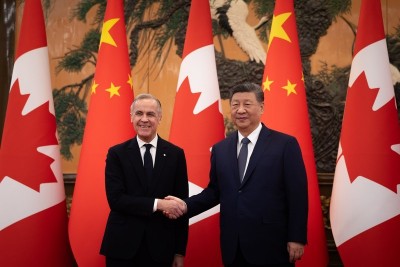
Beijing: Analysts have cautioned the current political turmoil in Sri Lanka is emerging as a warning sign for Chinese companies that are planning to invest in overseas markets.
Chinese companies operating overseas need to prepare crisis management plans in case of social unrest and political turmoil in these developing countries, according to Chris Torrens, a partner at the consultancy Control Risks, reported South China Morning Post.
“Sri Lanka is a reminder of the need to have effective crisis management plans in place and regular exercises or training to ensure that everyone knows what to do,” Torrens said. “Scenario planning is also essential as part of this process.”
Sri Lanka’s multiple crises have been exacerbated by the COVID-19 pandemic which saw the collapse of the crucial tourism industry, which provides foreign currency for imported fuel and medical supplies, and rocked by the supply chain crisis precipitated by the Ukraine war.
Some 22 percent of the population are food insecure and in need of assistance, said the World Food Programme last month, and the UN has launched a joint Humanitarian Needs and Priorities Plan, requesting more than $47 million to aid around 1.7 million of the worst impacted.
There have been growing concerns that the Sri Lanka-style chaos will occur in other highly indebted developing countries, for example Pakistan, where high inflation and prolonged power cuts prompted people to take the street in Karachi last month.
At least one woman died in clashes between police and protesters, reports South China Morning Post.
“Investors may need to take into account the capacity of domestic governance when investing overseas particularly when the international environment is not doing well,” Lin Minwang, a professor of South Asian studies at Fudan University in Shanghai, told the newspaper.
“Countries in South Asia usually have high debt ratios, so to Chinese investors, [the Sri Lanka crisis] could be a reminder.”
Support Our Journalism
We cannot do without you.. your contribution supports unbiased journalism
IBNS is not driven by any ism- not wokeism, not racism, not skewed secularism, not hyper right-wing or left liberal ideals, nor by any hardline religious beliefs or hyper nationalism. We want to serve you good old objective news, as they are. We do not judge or preach. We let people decide for themselves. We only try to present factual and well-sourced news.
Support objective journalism for a small contribution.