 Child Detention
Reimagine justice and end child detentions: UNICEF
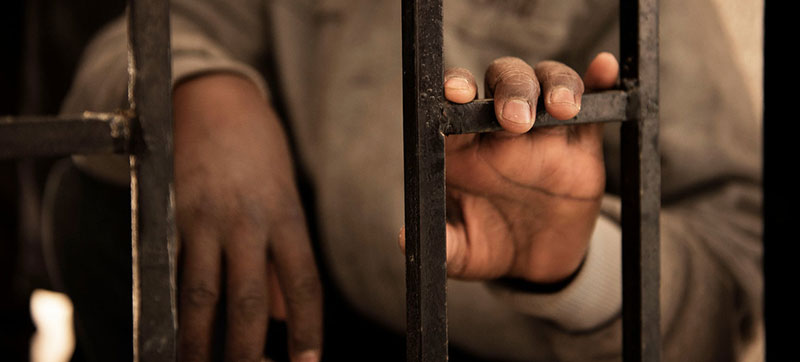
New York: More than 45,000 boys and girls were released from detention during the COVID-19 pandemic, proving that child-friendly justice solutions “are more than possible”, according to new data released on Monday by the UN Children’s Fund (UNICEF).
Detention of children in the time of COVID reveals that authorities in at least 84 countries have safely returned scores of detained youngsters to their families since April 2020, which is when UNICEF sounded the alarm over how confinement increases children’s risk of contracting the disease.
We have long known that justice systems are ill-equipped to handle the specific needs of children – a situation further exacerbated by the COVID-19 pandemic.
The report is one of two studies released ahead of the World Congress on Justice with Children, taking place online this week.
Heeding the call
Henrietta Fore, the UNICEF Executive Director, commended those countries that heeded the agency’s call.
“We have long known that justice systems are ill-equipped to handle the specific needs of children – a situation further exacerbated by the COVID-19 pandemic,” she said.
“By protecting children from conditions that could have exposed them to grave illness, these countries were able to overcome public resistance and spur innovative, age-appropriate justice solutions. This has proved something we already knew – child friendly justice solutions are more than possible.”
Across the world, children have been detained, including in pre- and post-trial custody, or in immigration detention.
They have also been held in relation to armed conflict or national security, or they live with parents who are in confinement.
COVID-19 impact
Detention facilities are often overcrowded, and children there lack adequate access to nutrition, healthcare and hygiene services.
They are also vulnerable to neglect, physical and psychological abuse, as well as gender-based violence. Furthermore, many are denied access to lawyers and family care.
UNICEF said the pandemic has profoundly affected justice for children. COVID-19 forced courts to shut down, and restricted access to essential social and justice services.
Evidence shows that many children, including children living on the streets, were detained for violating pandemic curfew orders and movement restrictions.
Justice for children
Approximately 261,000 children globally are held in detention, according to the second UNICEF report.
Estimating the number of children deprived of their liberty in the administration of justice is the first such analysis in more than a decade, and warns that incomplete record-keeping and undeveloped administrative data systems in many countries mean the number is likely to be much higher.
UNICEF called for governments and civil society to reimagine justice to safely end the detention of all children.
“Any child detained is evidence of failed systems, but that failure is then compounded further. Justice systems meant to protect and support children often add to their suffering,” said Ms. Fore.
“As policymakers, legal practitioners, academics, civil society, and children and young people convene at the World Congress this week, we must work together to end the detention of children”.
Recommendations include investing in legal rights awareness for children in the justice and welfare systems, expanding free legal aid and representation, and prioritizing prevention and early intervention.
To end child detention, governments are encouraged to implement legal reforms to raise the age of criminal responsibility, and to ensure justice for boys and girls who have survived sexual violence, abuse or exploitation.
Action should also include investing in child and gender-sensitive justice processes, and establishing specialized child-friendly courts, as well as virtual and mobile courts.
Support Our Journalism
We cannot do without you.. your contribution supports unbiased journalism
IBNS is not driven by any ism- not wokeism, not racism, not skewed secularism, not hyper right-wing or left liberal ideals, nor by any hardline religious beliefs or hyper nationalism. We want to serve you good old objective news, as they are. We do not judge or preach. We let people decide for themselves. We only try to present factual and well-sourced news.
Support objective journalism for a small contribution.