 UK
UK
PM Rishi Sunak-led British government issues new guidelines to prohibit use of mobile phones in schools
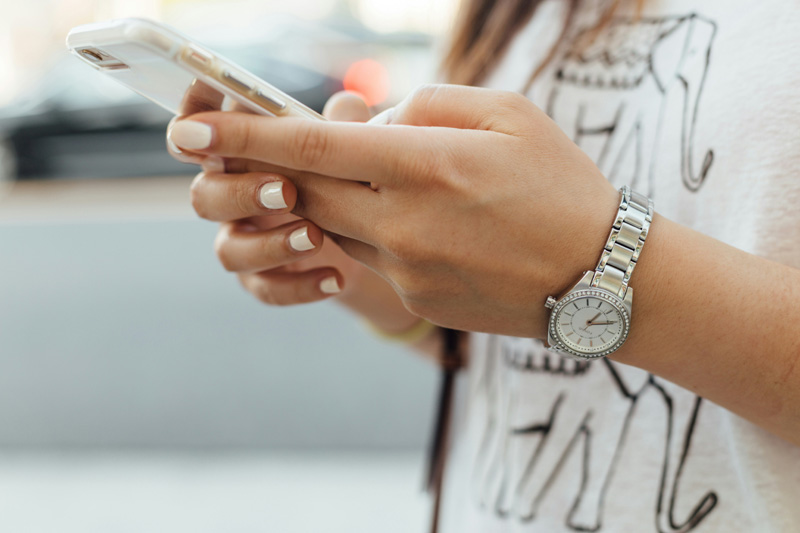
Mobile phones are set to be prohibited in schools across England as part of the British government’s plan to minimise disruption and improve behaviour in classrooms.
New mobile phones in schools guidance issued on Monday (19 February 2024) backs headteachers in prohibiting the use of mobile phones throughout the school day, including at break times.
Many schools around the country are already prohibiting mobile phone use with great results. This guidance will ensure there is a consistent approach across all schools.
By the age of 12, 97% of children have their own mobile phone, according to Ofcom. Using mobile phones in schools can lead to online bullying, distraction and classroom disruption which, in turn, can lead to lost learning time.
Last year, Unesco called for smartphones to be banned from schools as evidence showed it was linked to reduced educational performance and that excessive screen time had a negative impact on children’s wellbeing.
Schools will be supported to prohibit mobile phone use with examples of different approaches including banning phones from the school premises, handing in phones on arrival at school, and keeping phones securely locked away at school.
The guidance will respond to concerns from parents about mobile phones, with the latest data from ParentKind’s National Parent Survey, revealing that 44% of parents are concerned about the amount of time their children spend on electronic devices, rising to 50% of parents of secondary school children.
Driving high expectations of behaviour is a priority for the government, building on our £10 million investment in behaviour hubs which will support up to 700 schools over 3 years, as well as existing behaviour in schools guidance.
"We are making long-term decisions to ensure all pupils have world class education. This guidance builds on that work which has delivered 89% of schools rated good or outstanding by Ofsted, up from just 68% in 2010," the government said in a statement.
"Our plan is working with school standards rising across the board. England has catapulted up the international rankings for academic attainment through our multimillion-pound maths and English hubs programme and phonics screening check. We are now one of the top performing countries in the Western world for maths and reading and the government will continue to build on this progress by delivering crucial reforms including by creating the Advanced British Standard," it said.
Education Secretary Gillian Keegan said: "Schools are places for children to learn and mobile phones are, at a minimum, an unwanted distraction in the classroom."
"We are giving our hard-working teachers the tools to take action to help improve behaviour and to allow them to do what they do best – teach," Keegan said.
Technology Secretary Michelle Donelan said: "Growing up in today’s digital world provides immense opportunities but this should not come at the expense of our children’s wellbeing or education. That is why we have passed world leading legislation to make the UK the safest place in the world for young people to be online."
"Today’s announcement will support parents and educators further, helping give the next generation the best chance to realise their potential," Michelle Donelan said.
Government data on mobile use by students
The latest government data finds around a third (29%) of secondary school pupils reported mobile phones being used when they were not supposed to in most, or all, lessons.
Schools have seen success in prohibiting mobile phones through tactics such as introducing lockers with charging points for students to ensure they don’t come into classrooms.
One school referenced in the guidance introduced this change and saw a positive impact overnight and within one year the whole culture of the school had changed.
Without access to mobile phones, pupils have the headspace and calm environment to learn, and staff have the quiet and focus to teach in.
The move will bring England in line with steps taken by other countries who have restricted mobile phone use including France, Italy and Portugal.
Prime Minister's reaction
Prime Minister Rishi Sunak posted on X: "Almost one-third of secondary school pupils said that their lessons were disrupted by phones."
Almost one third of secondary school pupils said that their lessons were disrupted by phones.
— Rishi Sunak (@RishiSunak) February 19, 2024
Today’s guidance will help schools put an end to this. https://t.co/ozPsKqFlKH
"Today’s guidance will help schools put an end to this," he said.
Support Our Journalism
We cannot do without you.. your contribution supports unbiased journalism
IBNS is not driven by any ism- not wokeism, not racism, not skewed secularism, not hyper right-wing or left liberal ideals, nor by any hardline religious beliefs or hyper nationalism. We want to serve you good old objective news, as they are. We do not judge or preach. We let people decide for themselves. We only try to present factual and well-sourced news.
Support objective journalism for a small contribution.