 Pakistan Debt Term
Pakistan: Total public debt crossed Rs44 trillion by end of Imran Khan-led PTI term
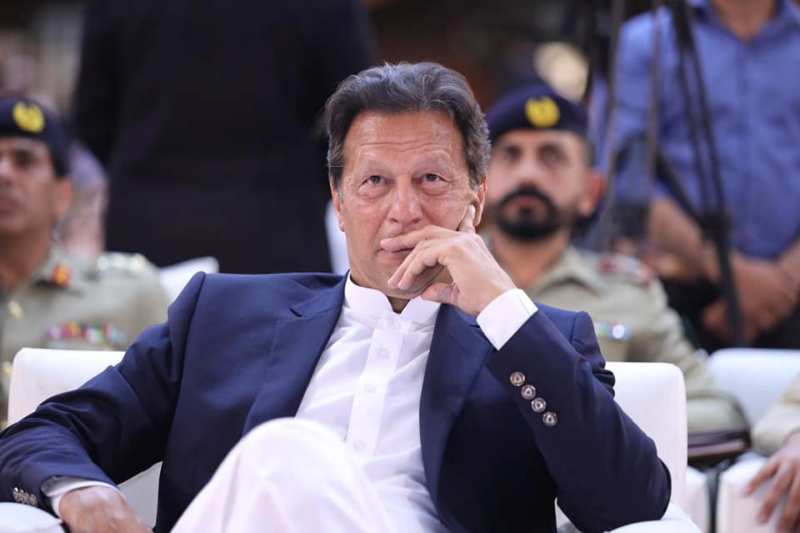
Islamabad: The Pakistan Economic Survey 2021-22 data released recently showed the total public debt stood at Rs44,366 billion at the end of March 2022, having ballooned by Rs4,500bn over the first nine months of the outgoing fiscal year, showcasing the troubles created by former PM Imran Khan's regime, media reports said.
Of the net Rs4,500bn increase, financing of the federal primary deficit accounted for Rs1,047bn; interest payments consumed Rs2,118bn; currency depreciation accounted for Rs1,744bn; while a Rs409bn decrease in the government’s cash balance accounted for the remaining, reports Dawn News.
The survey revealed that total external debt had touched $88.8bn (Rs16.29 trillion) by the end of March 2022, having increased by around $2.3bn over the first nine months of the outgoing fiscal year.
The debt stock from multilateral and bilateral sources, mostly contracted on concessional terms (low cost and longer tenor), increased by a net $2.9bn. It may be recalled that, during the period under review, gross inflows of around $1bn were received from the IMF under the Extended Fund Facility, while the International Development Bank provided $0.8bn. Another $3bn was provided by the Saudi government in the form of time deposits, the newspaper reported.
The debt stock of commercial loans registered a net decrease of around $1.5bn, mainly due to a repayment of loans taken from Chinese commercial banks amounting to $2.3bn. The repayment was done upon maturity of the loans in March 2022, but the government expects the funds to return sometime this month.
Support Our Journalism
We cannot do without you.. your contribution supports unbiased journalism
IBNS is not driven by any ism- not wokeism, not racism, not skewed secularism, not hyper right-wing or left liberal ideals, nor by any hardline religious beliefs or hyper nationalism. We want to serve you good old objective news, as they are. We do not judge or preach. We let people decide for themselves. We only try to present factual and well-sourced news.
Support objective journalism for a small contribution.