


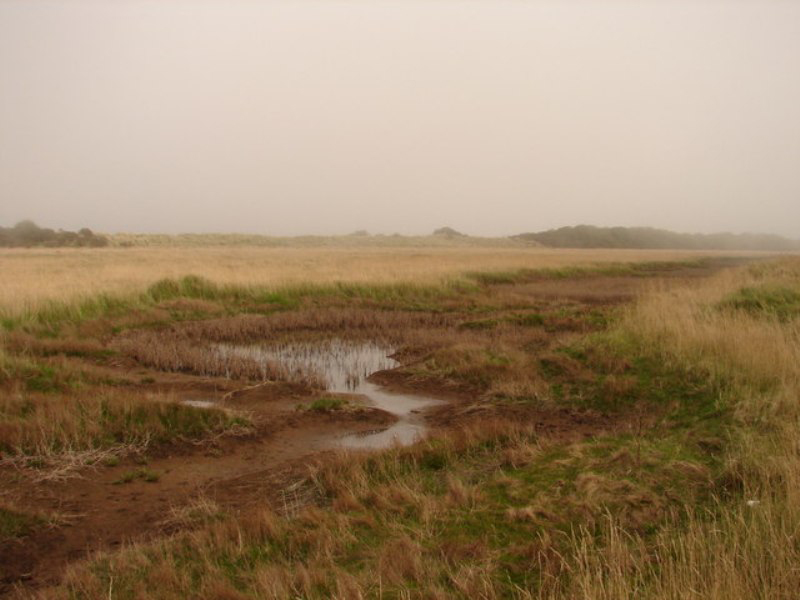
 Pakistan Water Crisis
Pakistan: Crops likely to suffer as water crisis boils over
Islamabad: Pakistan's water crisis is taking a turn towards the worst as the cumulative river supplies dipped to 97,000 cubic feet per second (cusecs) on Saturday.
The country's national shortage touched a whopping 51 percent against the 29 percent calculated previously.
To put Saturday’s cumulative supplies in context, the figure was 121,000 cusecs on the same day (April 30) last year, whereas the five-year average for the day stands at 157,800 cusecs, The Dawn reported.
Even those 97,000 cusecs on Saturday represented an improvement of 11,000 cusecs over Friday when supplies were recorded at 86,000 cusecs, the newspaper reported.
Passing on the shortages, the Indus River System Authority (Irsa) supplied only 51,400 cusecs to Punjab against its demand of 105,500 cusecs and 32,600 cusecs to Sindh against its demand of 67,100 cusecs — meaning both federating units absorbing 51 percent shortage.
“The Saturday shortage would translate into irrigation supplies in the next five to seven days in Punjab and 10 to 12 days in Sindh, playing havoc with cotton sowing, sugarcane and the entire range of the Kharif crops,” an official of the Punjab irrigation department was quoted as saying by The Dawn.
Support Our Journalism
We cannot do without you.. your contribution supports unbiased journalism
IBNS is not driven by any ism- not wokeism, not racism, not skewed secularism, not hyper right-wing or left liberal ideals, nor by any hardline religious beliefs or hyper nationalism. We want to serve you good old objective news, as they are. We do not judge or preach. We let people decide for themselves. We only try to present factual and well-sourced news.
Support objective journalism for a small contribution.


