


 Nicaragua
Nicaragua: New law heralds damaging crackdown on civil society, UN warns
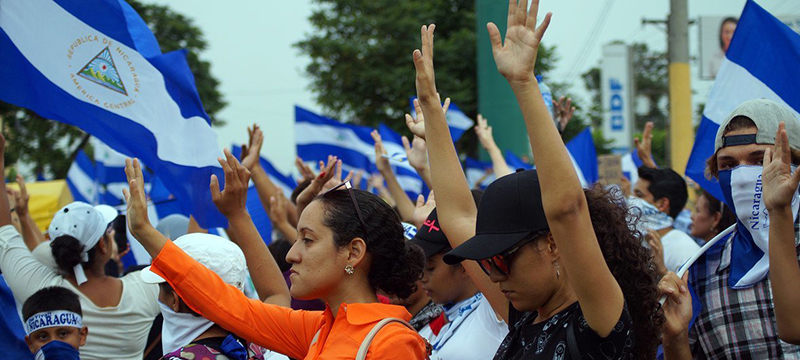
New York: Under the guise of preventing money-laundering and cutting off terrorist financing, a new law in Nicaragua further restricts the functioning of civil society, “contrary to the country’s human rights obligations”, the spokesperson for the UN human rights office (OHCHR) said on Monday.
“We are deeply concerned that a new law, which came into force in Nicaragua on Friday, make[s] it more difficult for non-governmental organizations (NGOs) to register, require them to seek Government approval for their activities, and impose new reporting constraints, including detailing sources of funding, financial statements, activities and beneficiaries,” Liz Throssell told journalists at a regular press briefing in Geneva.
Further constraints
The law also prohibits NGOs from “conducting political proselytizing and party politics, without clearly defining what is meant by such activities”, the OHCHR spokesperson said.
Moreover, it caps at 25 per cent the proportion of so-called “foreign “members” working for an NGO, thereby also limiting the freedom of expression and association of foreign nationals residing in Nicaragua.
“We fear all these restrictions will curtail the freedom of expression and association of any organization that may attempt to voice criticism of the Government”, she said.
Double blow
The legislation is even more concerning because it entered into force during a week when the National Assembly voted to strip 50 civil society organizations of their legal status for allegedly failing to comply with other provisions of national legislation, Ms. Throssell continued.
Since 2018, at least 209 organizations have been shut down in Nicaragua – some 137 of which, have happened so far this year alone.
Included in the tally are the country’s main human rights NGOs, which encompass those working on women’s and indigenous peoples’ rights; groups working in the fields of education and development; as well as medical associations.
And at least 12 universities have also had their legal status cancelled and are now under Government control.
“As recommended by the High Commissioner, it is crucial that the Nicaraguan authorities stop unduly closing NGOs and restore the legal personality of all organizations, political parties and media outlets that have been arbitrarily shut down,” said the spokesperson.
“We urge the authorities to return all the assets, documents and equipment that were unduly seized,” she added.
Support Our Journalism
We cannot do without you.. your contribution supports unbiased journalism
IBNS is not driven by any ism- not wokeism, not racism, not skewed secularism, not hyper right-wing or left liberal ideals, nor by any hardline religious beliefs or hyper nationalism. We want to serve you good old objective news, as they are. We do not judge or preach. We let people decide for themselves. We only try to present factual and well-sourced news.
Support objective journalism for a small contribution.


