 UNESCO
New UNESCO data shows 68 journalists were killed in 2024
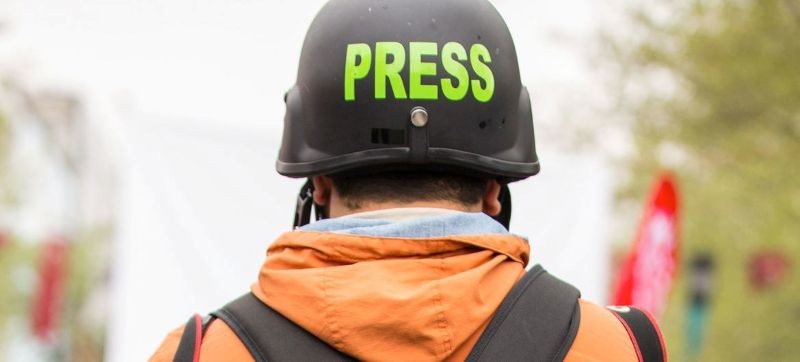
For the second consecutive year, conflict zones have proven dangerous for journalists and media workers, with 2024 seeing at least 68 deaths in the line of duty, as per new data from the UN Educational, Scientific and Cultural Organization (UNESCO).
More than 60 per cent of these killings occurred in countries experiencing conflict – the highest percentage in over a decade.
"Reliable information is vital in conflict situations to help affected populations and to enlighten the world," said UNESCO Director-General Audrey Azoulay.
“It is unacceptable that journalists pay with their lives for this work. I call on all States to step up and ensure the protection of media workers, in accordance with international law,” she added.
Alarming trends
The report highlights that 42 journalists were killed in conflict zones this year, including 18 in Palestine, which recorded the highest toll.
Other countries such as Ukraine, Colombia, Iraq, Lebanon, Myanmar, and Sudan also saw multiple fatalities, underscoring the heightened risks in regions marked by violence and instability.
This follows an unsettling trend seen in 2023, with more journalists losing their lives in conflicts over the past two years than in any comparable period since 2016-2017.
A glimmer of hope
While conflict zones remain a critical concern, the overall number of journalist killings decreased slightly during this year.
A notable reduction in deaths occurred in non-conflict areas, where 26 journalists were killed - the lowest figure in 16 years.
This decline was particularly evident in Latin America and the Caribbean, where journalist killings dropped from 43 in 2022 to 12 in 2024.
This suggests some progress in addressing threats against journalists in peacetime, especially in regions previously plagued by violence against media workers.
Beyond the numbers
UNESCO's data, sourced from leading international press freedom organizations, is rigorously verified to ensure impartiality.
Cases are excluded if deaths are deemed unrelated to the victims’ journalistic work. However, dozens of cases remain under review, and UNESCO continues to monitor developments closely.
The Organization's mandate extends beyond tracking fatalities. It works to protect journalists through initiatives such as the UN Plan of Action on the Safety of Journalists and the Issue of Impunity.
Emerging threats
In addition to physical threats, journalists are facing new challenges, including financial and legal pressures.
UNESCO has reported a 42 per cent increase in attacks on journalists reporting on environmental issues between 2019 and 2024, highlighting the evolving nature of risks confronting the media.
As UNESCO continues its efforts to promote press freedom and safeguard journalists, the agency calls on the international community to strengthen protections for media workers - ensuring that the quest for truth does not come at the ultimate cost.
Support Our Journalism
We cannot do without you.. your contribution supports unbiased journalism
IBNS is not driven by any ism- not wokeism, not racism, not skewed secularism, not hyper right-wing or left liberal ideals, nor by any hardline religious beliefs or hyper nationalism. We want to serve you good old objective news, as they are. We do not judge or preach. We let people decide for themselves. We only try to present factual and well-sourced news.
Support objective journalism for a small contribution.