Nepal bans China’s Alipay and WeChat digital wallets
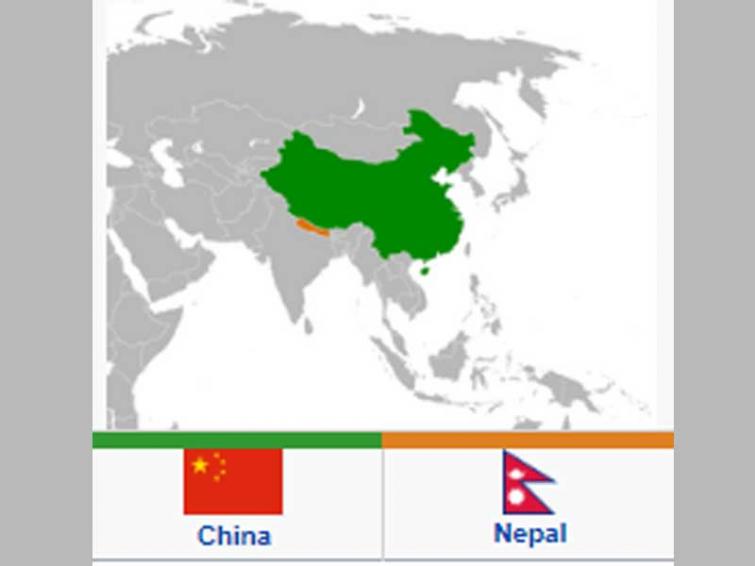
Kathmandu, May 22 (UNI) Nepal has banned popular Chinese digital wallets Alipay and WeChat to prevent the loss of foreign currency earnings from tens of thousands of Chinese tourists.
According to the media reports here, over 150,000 Chinese holidaymakers visited Nepal last year, many using digital wallets to pay in hotels, restaurants and shops in tourist areas — especially in Chinese-run businesses.
Laxmi Prapanna Niroula, a spokesman for the country’s central bank which announced the ban on Monday, said that Nepal was losing out since the actual transactions took place in China.
“We have enforced a ban on Alipay and WeChat Pay because the country is losing foreign currency earnings through its usage. Action will be taken if anyone is found using the platforms,” Niroula said.
Niroula said there was no information available on the volume of transactions concerned.
Alipay, started by e-commerce giant Alibaba and owned by its affiliate Ant Financial, and WeChat Pay, built into Tencent’s popular messaging service, have hundreds of millions of users between them and are China’s dominant payment platforms.
“Chinese tourists often ask for digital payment options. With the ban, people are bound to lose business,” said Sushil Koirala, who runs a tea shop in Thamel, Kathmandu’s main tourist area.
A street in Thamel has even earned the name Chinatown because of the high number of Chinese-run hotels and restaurants.
Tourism is a major revenue-earner for impoverished Nepal, home to eight of the world’s 14 peaks over 8,000 metres (26,000 feet).
Tourism contributed 7.8 percent to the Himalayan nation’s economy in 2017, creating over a million jobs, according to the World Travel and Tourism Council.
Last year it welcomed more than a million visitors for the first time.
Support Our Journalism
We cannot do without you.. your contribution supports unbiased journalism
IBNS is not driven by any ism- not wokeism, not racism, not skewed secularism, not hyper right-wing or left liberal ideals, nor by any hardline religious beliefs or hyper nationalism. We want to serve you good old objective news, as they are. We do not judge or preach. We let people decide for themselves. We only try to present factual and well-sourced news.
Support objective journalism for a small contribution.