


Myanmar floods deal major blow to agriculture: UN agency
“Having seen the scale of it first hand, it’s stunning that this emergency situation is widely being underestimated by global media and international donors,” Bui Thi Lan, FAO Representative in Myanmar, said in a press release drawing attention to the situation.
FAO said that “urgent support is needed to help farmers recover from a month of extreme monsoon weather, worsened by the arrival of Cyclone Komen at the end of July that has affected more than 1.6 million people and inundated more than 1.4 million acres of farmland.”
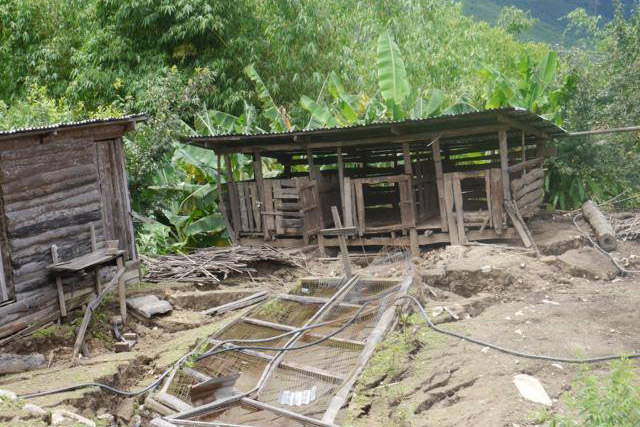
The deluge also destroyed some 972,000 acres – most of all paddy rice – 36,000 acres of fish and shrimp ponds, and an estimated 20,000 head of cattle, according to the agriculture agency.
“Now that the water is receding, we need to act swiftly to help rural communities get back on their feet, providing them the seeds, equipment and other support they need to grow food, raise animals, restore their livelihoods and build their resilience to future shocks,” said the FAO representative.
Some 385,000 households have been displaced by the floods and landslides that destroyed thousands of homes, and irrigation canals in 12 of the country’s 14 provinces, the agency reported.
FAO also said that out of the six provinces hit hardest by the monsoonal floods, four have been the stage of recurrent intercommunal tensions since June 2012 that have displaced more than 660,000 people, making those regions especially vulnerable to the impacts of the floods.
Humanitarian agencies are supporting the Government of Myanmar with critical supplies of food, shelter, sanitation and medical aid, but many UN agencies are reporting funding shortfalls that prevent them from responding to the best of their abilities.
Severe damage to roads, bridges and railways is making these ongoing relief and recovery efforts extra challenging.
FAO is preparing the distribution of rice, beans and winter crops that can be planted as soon as the dry season starts in October.
Other likely interventions include vaccination drives for cattle and distribution of animal feed to help farmers keep their herds alive and healthy.
Photo: UNDP Myanmar
Support Our Journalism
We cannot do without you.. your contribution supports unbiased journalism
IBNS is not driven by any ism- not wokeism, not racism, not skewed secularism, not hyper right-wing or left liberal ideals, nor by any hardline religious beliefs or hyper nationalism. We want to serve you good old objective news, as they are. We do not judge or preach. We let people decide for themselves. We only try to present factual and well-sourced news.
Support objective journalism for a small contribution.


