HIV-related stigma, discrimination prevent people from accessing health services – UN
“When people living with, or at risk of, HIV are discriminated against in health-care settings, they go underground,” said Michel Sidibé, the Executive Director of the Joint UN Programme on HIV/AIDS (UNAIDS), in a press release.
“This seriously undermines our ability to reach people with HIV testing, treatment and prevention services,” he added.
The report, Confronting discrimination: overcoming HIV-related stigma and discrimination in health-care settings and beyond, gives evidence on how stigma and discrimination is creating barriers to accessing HIV prevention, testing and treatment services and putting lives at risk. It then highlights best practices on confronting stigma and discrimination.
“Stigma and discrimination is an affront to human rights and puts the lives of people living with HIV and key populations in danger,” Sidibé said.
Often, people living with HIV avoid going to clinics for fear of having their status disclosed or of suffering further stigma and discrimination based on their HIV status.
In 19 countries with available data, one in five people living with HIV avoided going to a clinic or hospital because they feared stigma or discrimination related to their HIV status, and one in four people living with HIV have experienced discrimination in health-care settings.
Where programmes have been put in place to respond to stigma and discrimination, access to services for HIV prevention, testing and treatment has improved. In one clinic in Namibia, a shift towards integrated health service delivery led to a 20 per cent reduction in deaths among people with HIV.
The report was launched at the Human Rights Council Social Forum taking place in Geneva, Switzerland, from 2 to 4 October under the theme of ‘Promotion and protection of human rights in the context of the HIV epidemic and other communicable diseases and epidemics.’
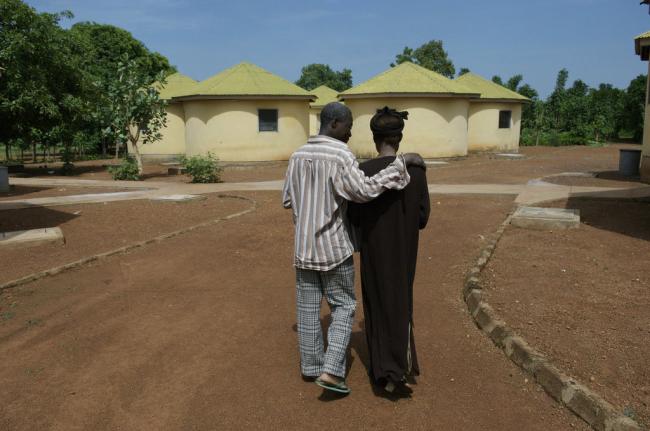
Photo: World Bank/Jonathan Ernst
Source: www.justearthnews.com
Support Our Journalism
We cannot do without you.. your contribution supports unbiased journalism
IBNS is not driven by any ism- not wokeism, not racism, not skewed secularism, not hyper right-wing or left liberal ideals, nor by any hardline religious beliefs or hyper nationalism. We want to serve you good old objective news, as they are. We do not judge or preach. We let people decide for themselves. We only try to present factual and well-sourced news.
Support objective journalism for a small contribution.