Connecticut prison warning: Prolonged solitary confinement may ‘amount to torture’, UN expert warns
New York/IBNS: The “excessive use” of solitary confinement by the prison service in the US state of Connecticut, prompted an independent UN human rights expert to voice alarm on Friday.
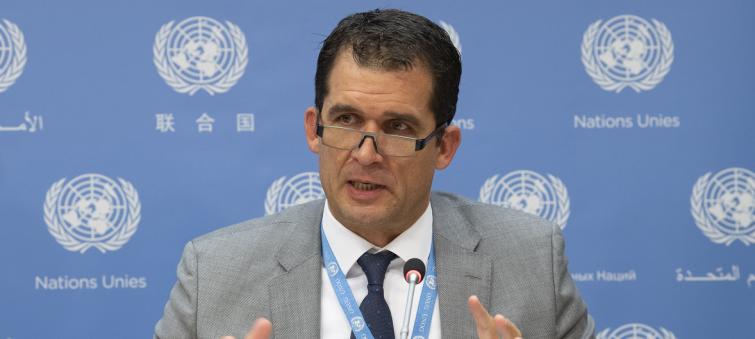
"For years, my mandate has raised concerns about the worldwide overuse of solitary confinement which is subject to widespread arbitrariness", said Nils Melzer, UN Special Rapporteur on torture.
The Connecticut Department of Corrections (DOC) has appeared to routinely repress inmates through prolonged or indefinite isolation, excessive use of in-cell restraints and “needlessly intrusive strip searches", the expert said.
Precarious correctional procedures
According to the independent expert, there seems to be a state-sanctioned policy aimed at purposefully inflicting severe pain or suffering, physical or mental, “which may well amount to torture."
Theses dehumanizing conditions of detention, which sometimes euphemistically referred to as “segregation”, the "hole" or "lockdown", are routinely used by US correctional facilities, particularly against inmates designated as "high risk" due to previous gang affiliations, behaviour abnormalities or mental conditions.
And these practices trigger and exacerbate psychological suffering in inmates who may have experienced previous trauma or have mental health conditions or psychosocial disabilities.
"The severe and often irreparable psychological and physical consequences of solitary confinement and social exclusion are well documented and can range from progressively severe forms of anxiety, stress, and depression to cognitive impairment and suicidal tendencies", noted Mr. Melzer.
"This deliberate infliction of severe mental pain or suffering may well amount to psychological torture", he added.
Illegal confinement practices
Inflicting solitary confinement on those with mental or physical disabilities is prohibited under international law.
Even if permitted by domestic law, under the 2015-updated Mandela Rules, prolonged or indefinite solitary confinement cannot be regarded as a "lawful sanction".
deliberate infliction of severe mental pain or suffering may well amount to psychological torture -- UN expert
These Rules set a minimum standard of UN rules that defines solitary confinement as "the confinement of prisoners for 22 hours or more a day without meaningful human contact."
Solitary confinement may only be imposed in exceptional circumstances, and "prolonged" solitary confinement of more than 15 consecutive days is regarded as a form of torture.
"The Mandela Rules reinforce human rights principles, including the recognition of the absolute prohibition of torture and other cruel, inhuman or degrading treatment or punishment and effective guidance to national prison administrations for persons deprived of their liberty", concluded Mr. Melzer.
After presenting his report on psychological torture to the Human Rights Council in Geneva, he will hold a press conference on Monday.
This statement has also been endorsed by Dainius PÅ«ras, UN Special Rapporteur on the right to health; the UN Working Group on arbitrary detention; and Catalina Devanda-Aguilar, UN Special Rapporteur on the rights of persons with disabilities.
Special Rapporteurs are appointed by the Geneva-based UN Human Rights Council to examine and report back on a specific human rights theme or a country situation. The positions are honorary and the experts are not UN staff, nor are they paid for their work.
photo caption and credit:
UN Photo/Eskinder Debebe
Professor Nils Melzer, UN Special Rapporteur on torture, at a press conference at UN Headquarters in New York.
Support Our Journalism
We cannot do without you.. your contribution supports unbiased journalism
IBNS is not driven by any ism- not wokeism, not racism, not skewed secularism, not hyper right-wing or left liberal ideals, nor by any hardline religious beliefs or hyper nationalism. We want to serve you good old objective news, as they are. We do not judge or preach. We let people decide for themselves. We only try to present factual and well-sourced news.
Support objective journalism for a small contribution.