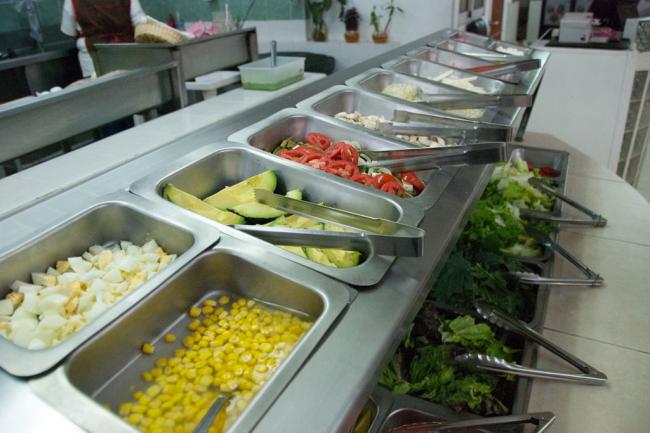
Children under five account for one third of deaths from foodborne diseases: UN
“Until now, estimates of foodborne diseases were vague and imprecise. This concealed the true human costs of contaminated food. This report sets the record straight,” said WHO Director-General Dr. Margaret Chan upon release of the Estimates of the Global Burden of Foodborne Diseases – the most comprehensive report to date on the impact of contaminated food on health and wellbeing.
“Knowing which foodborne pathogens are causing the biggest problems in which parts of the world can generate targeted action by the public, governments, and the food industry,” Dr. Chan explained.
According to the report, which estimates the burden of foodborne diseases caused by 31 agents – bacteria, viruses, parasites, toxins and chemicals – each year, as many as 600 million people, or almost one in 10 worldwide, fall ill after consuming contaminated food.
Of these, 420,000 people die, including 125,000 children under the age of five years, accounting for almost a third of all deaths from foodborne diseases, the report said.
The WHO report added that diarrhoeal diseases are responsible for more than half of the global burden of foodborne diseases, causing 550 million people to fall ill and 230,000 deaths every year.
The health agency also reported that Africa and South-East Asia regions have the highest incidence and highest death rates, including among children under the age of five.
“Based on what we know now, it is apparent that the global burden of foodborne diseases is considerable, affecting people all over the world – particularly children under five years of age and people in low-income areas,” said Dr. Kazuaki Miyagishima, Director of WHO’s Department of Food Safety and Zoonoses.
Children are at particular risk of foodborne diarrhoeal diseases, with 220 million falling ill and 96,000 dying every year, WHO said, adding that diarrhoea is often caused by eating raw or undercooked meat, eggs, fresh produce and dairy products contaminated by norovirus, Campylobacter, non-typhoidal Salmonella and pathogenic E. coli.
Other major contributors to the global burden of foodborne diseases are typhoid fever, hepatitis A, Taenia solium (a tapeworm), and aflatoxin, which is produced by mould on grain that is stored inappropriately.
“The risk of foodborne diseases is most severe in low- and middle-income countries, linked to preparing food with unsafe water; poor hygiene and inadequate conditions in food production and storage; lower levels of literacy and education; and insufficient food safety legislation or implementation of such legislation,” the report said.
The report’s findings underscore the global threat posed by foodborne diseases and reinforce the need for governments, the food industry and individuals to do more to make food safe and prevent foodborne diseases, WHO said.
WHO is working closely with national governments to help set and implement food safety strategies and policies that will in turn have a positive impact on the safety of food in the global marketplace, the agency said.
“Food safety is a shared responsibility,” WHO said.
Photo: WHO/PAHO/www.justearthnews.com
Support Our Journalism
We cannot do without you.. your contribution supports unbiased journalism
IBNS is not driven by any ism- not wokeism, not racism, not skewed secularism, not hyper right-wing or left liberal ideals, nor by any hardline religious beliefs or hyper nationalism. We want to serve you good old objective news, as they are. We do not judge or preach. We let people decide for themselves. We only try to present factual and well-sourced news.
Support objective journalism for a small contribution.