


After Tianjin explosion, UN expert calls on China to ensure transparent investigation
“The Chinese authorities should also assess whether China's laws for hazardous substances and wastes are consistent with international human rights standards, including the right to information,” said the Special Rapporteur on human rights and hazardous substances and wastes, Baskut Tuncak, in a press release.
Under international human rights standards, the Special Rapporteur noted, the State has an obligation to generate, assess, update and disseminate information about hazardous substances, while businesses have a responsibility to respect human rights, including effectively communicating information.
“This chemical disaster serves as yet another tragic example of the need of information about hazardous substances to protect, respect and realize human rights,” the expert underlined.
“The lack of information when needed – information that could have mitigated or perhaps even prevented this disaster – is truly tragic,” he stressed.
He added, “Moreover, the reported restrictions on public access to health and safety information and freedom of the press in the aftermath are deeply disturbing, particularly to the extent it risks increasing the number of victims of this disaster.”
Tuncak underscored that information about hazardous substances must be available and accessible in order to protect and respect the rights to life, health, meaningful public participation and an effective remedy, as well as freedoms of expression and the press.
On 16 September, the Special Rapporteur will present a report on the right to information in the context of hazardous substances to the UN Human Rights Council.
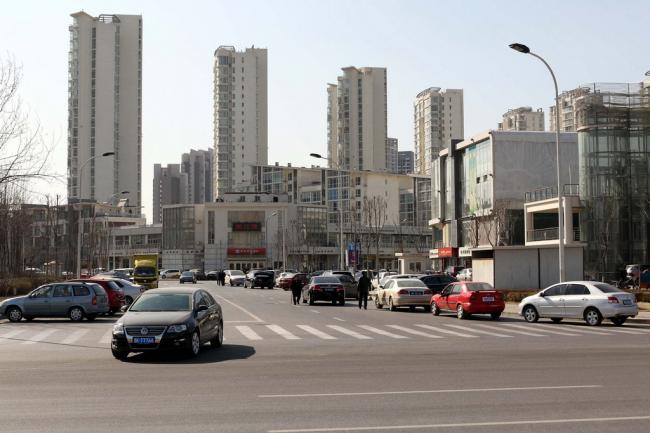
Photo: World Bank/Yang Aijun
Support Our Journalism
We cannot do without you.. your contribution supports unbiased journalism
IBNS is not driven by any ism- not wokeism, not racism, not skewed secularism, not hyper right-wing or left liberal ideals, nor by any hardline religious beliefs or hyper nationalism. We want to serve you good old objective news, as they are. We do not judge or preach. We let people decide for themselves. We only try to present factual and well-sourced news.
Support objective journalism for a small contribution.


