 African Nations
African nations leading the way on ‘food systems transformation’: Guterres
African countries are at the vanguard of a vital transformation of food systems to simultaneously address food security, nutrition, social and environmental protection – all while boosting resilience – said the UN chief on Thursday.
António Guterres was addressing the start of a high-level policy dialogue at UN Headquarters in New York, part of the Africa Dialogue Series 2022, convened to strengthen resilience in food supplies across the continent, at a time when “decades of progress on hunger are being reversed.”
Deep connections
He said for too long, nutrition, food security, conflicts, climate change, ecosystems and health have been treated as separate concerns, “but these global challenges are deeply interconnected. Conflict creates hunger. The climate crisis amplifies conflict”, and systemic problems are just getting worse.
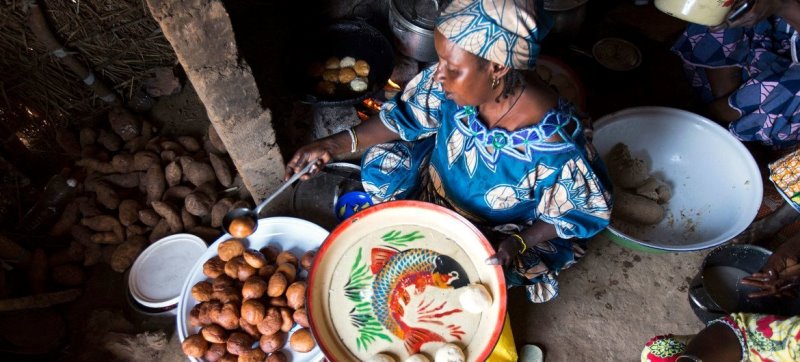
He noted that after more than a decade of improvements, one in five Africans were undernourished in 2020, while 61 million African children are affected by stunting. Women and girls bear the brunt, and when food is scarce, “they are often the last to eat; and the first to be taken out of school and forced into work or marriage.”
Mr. Guterres said that UN humanitarians and partners were doing their utmost to meet Africa’s needs amidst crisis, but aid “cannot compete with the systemic drivers of hunger.”
Other “external shocks” were exacerbating the situation, such as an uneven recovery from the pandemic and the war in Ukraine, with African countries among the most heavily impacted by grain shortages and rising debt.
Climate crisis frontline
Building resilience also requires addressing the climate crisis.
“African farmers are on the frontlines of our warming planet, from rising temperatures to droughts and floods,” he said.
“Africa needs a massive boost in technical and financial support to adapt to the impact of the climate emergency and provide renewable electricity across the continent.”
He added that developed countries must deliver on their $100 billion climate finance commitment to developing countries, with the help of international financial institutions, so African countries, in particular, can invest in a strong recovery from the COVID-19 pandemic, on the tide of renewable energy.
Food systems, said the Secretary-General, “connect all these challenges”, as highlighted at last September’s UN Food Systems Summit.
“Many African Member States led the call for fundamental change, through inclusive transformation pathways, which aim to address – simultaneously – food security, nutrition, social protection, environmental conservation and resilience to shocks.”
He welcomed the African Union (AU) decision to designate 2022 as the Year of Nutrition – a pledge to act on the strong commitments made at the Summit.
Collective expertise
“Through national, regional and global cooperation, we must build on lessons learned and harness collective expertise. Together, we must deliver on these pathways”, Mr. Guterres added.
“The international community must rise to the occasion”, he declared, adding that scaling back support when demand is at an all-time high, was “not an option.”
Official Development Assistance, or ODA, based on a percentage of available public funds, is more necessary than ever, he said.
“I urge all countries to demonstrate solidarity, invest in resilience, and prevent the current crisis from escalating further.”
The UN chief said that during his recent visit to Senegal, Niger, and Nigeria, he had been inspired by the resilience and determination of the people he met.
“Women and young people in particular were committed to lasting, sustainable solutions that enable them to live in peace with their neighbours and with nature.”
“If we work together, if we put people and planet before profit, we can transform food systems, deliver on the Sustainable Development Goals (SDGs) and leave no one behind.”
The ambitious goals, he concluded, of ending hunger and malnutrition by the fast-approaching 2030 deadline, were realistic, and achievable.
“The United Nations stands by your side, every step of the way.”
Support Our Journalism
We cannot do without you.. your contribution supports unbiased journalism
IBNS is not driven by any ism- not wokeism, not racism, not skewed secularism, not hyper right-wing or left liberal ideals, nor by any hardline religious beliefs or hyper nationalism. We want to serve you good old objective news, as they are. We do not judge or preach. We let people decide for themselves. We only try to present factual and well-sourced news.
Support objective journalism for a small contribution.