


 Afghanistan
Afghanistan remains one of the world’s worst humanitarian disasters: HRW
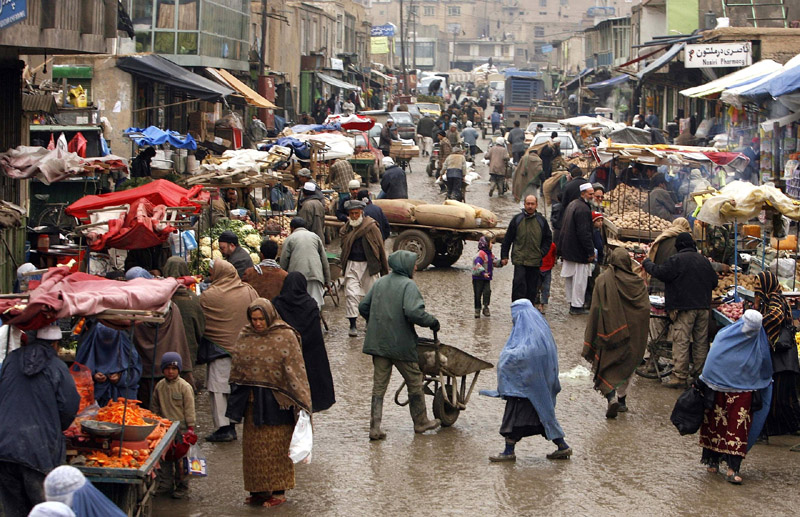
Afghanistan has largely disappeared from the media, but it remains one of the world’s worst humanitarian disasters.
Two-thirds of the country’s population is food insecure, including 875,000 children facing acute malnutrition. Women and girls remain most at risk.
The ongoing crisis has thrust upon the United Nations two vital but seemingly incompatible responsibilities in Afghanistan: keeping aid flowing to those most in need while also keeping pressure on the Taliban to end its appalling human rights violations, read the Human Rights Watch website.
The abrupt loss of most international aid after the Taliban takeover in August 2021 prompted the initial crisis, but the Taliban’s increasingly repressive policies, such as banning women from working for the UN and nongovernmental organizations, have made the situation much worse. Now humanitarian aid groups must navigate trying to deliver crucial assistance while ensuring they do not reinforce the Taliban’s abusive diktats. This is not a situation that lends itself to hashtag campaigns. For aid workers trying to adhere to both the humanitarian imperative of saving lives and the principles of neutrality and impartiality, these are difficult times.
Humanitarian organizations in Afghanistan have long depended on a degree of operational flexibility and room to maneuver to keep urgent assistance going – whether negotiating access across front lines, running girls’ schools in the 1990s, or navigating the current unofficial exemptions for women to work in the health, nutrition, and education sectors.
However, recent UN statements have led to confusion and charges of incoherence among UN agencies, as some have allowed men staff to keep working while women cannot. While acknowledging the need for local flexibility, it is essential that heads of key agencies like the World Food Programme and UNICEF maintain a firm, consistent line that the Taliban’s actions are in violation of international human rights law and the UN Charter.
A recent meeting of UN special envoys in Doha reportedly agreed on continued engagement without recognition of the Taliban until there is progress on human rights. While some Afghan civil society groups have rejected all engagement, others see it necessary to relieve the economic crisis.
But all this will mean little if current humanitarian funding levels also do not improve. A drastic loss of aid will leave many Afghans poorer and hungrier.
Support Our Journalism
We cannot do without you.. your contribution supports unbiased journalism
IBNS is not driven by any ism- not wokeism, not racism, not skewed secularism, not hyper right-wing or left liberal ideals, nor by any hardline religious beliefs or hyper nationalism. We want to serve you good old objective news, as they are. We do not judge or preach. We let people decide for themselves. We only try to present factual and well-sourced news.
Support objective journalism for a small contribution.


