


‘Window of opportunity’ closing on non-communicable diseases, warns UN health agency
“Limited national progress has been made in the fight against NCDs – primarily cardiovascular and chronic respiratory diseases, cancers and diabetes – which are the world’s biggest killers,” noted the UN World Health Organization in a news release on Monday.
According to estimates, 15 million people aged 30-70 succumb to these diseases annually. Furthermore, the latest edition of the WHO Non-communicable Disease Progress Monitor shows that progress around the world to control such conditions been uneven and insufficient, and over three-fourth of the deaths in low- and middle-income countries.
“Bolder political action is needed to address constraints in controlling NCDs, including the mobilization of domestic and external resources and safeguarding communities from interference by powerful economic operators,” said Tedros Adhanom Ghebreyesus, the WHO Director-General, in his foreword to the Progress Monitor.
The findings also reveal that the world is not on track to meet one of the key health targets of the Sustainable Development Goals (SDGs) on reducing premature mortality from NCDs by a third by 2030.
Underscoring that “the window of opportunity is closing,” on being able to save increasing number of people, particularly children and adolescents, Douglas Bettcher, the Director the Department for Prevention of NCDs at WHO urged: “If we don’t take action now to protect people from NCDs, we will condemn on Monday’s and tomorrow’s youth to lives of ill-health and reduced economic opportunities.”
The Progress Monitor provides data on 19 indicators in all of WHO’s 194 member States, such as setting time-bound targets to reduce NCD deaths, developing comprehensive policies to address NCDs; implement key measures to reduce tobacco demand; reduce harmful use of alcohol, and promote healthy diets and physical activity; as well as strengthen health systems through primary health care and universal health coverage.
Findings contained in this year’s edition will form the basis for a WHO study later this year which will be released ahead of the third UN High-level Meeting on NCDs (to be held in 2018).
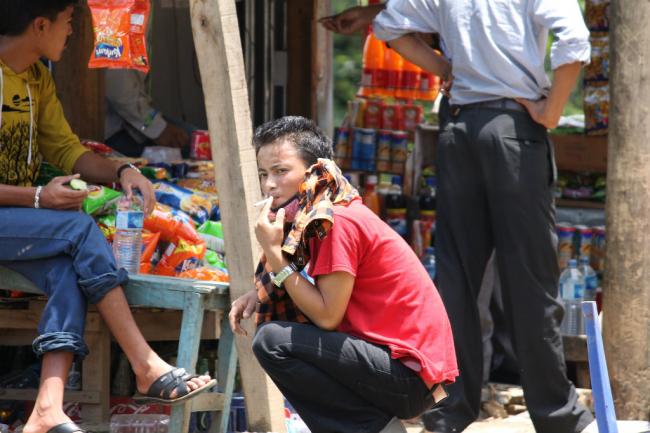
Photo: Aisha Faquir/World Bank
Source: www.justearthnews.com
Support Our Journalism
We cannot do without you.. your contribution supports unbiased journalism
IBNS is not driven by any ism- not wokeism, not racism, not skewed secularism, not hyper right-wing or left liberal ideals, nor by any hardline religious beliefs or hyper nationalism. We want to serve you good old objective news, as they are. We do not judge or preach. We let people decide for themselves. We only try to present factual and well-sourced news.
Support objective journalism for a small contribution.


