Great Barrier Reef: Australia may see a decline in number of tourists if bleaching continues
Surveys conducted by TAI among Chinese, UK, American and domestic tourists have revealed that tourism areas adjacent to the Great Barrier Reef risk losing over 1 million visitors per year, worth over $1 billion in tourism expenditure. This expenditure supports around 10,000 tourism jobs in regional Queensland, which are also considered at-risk.
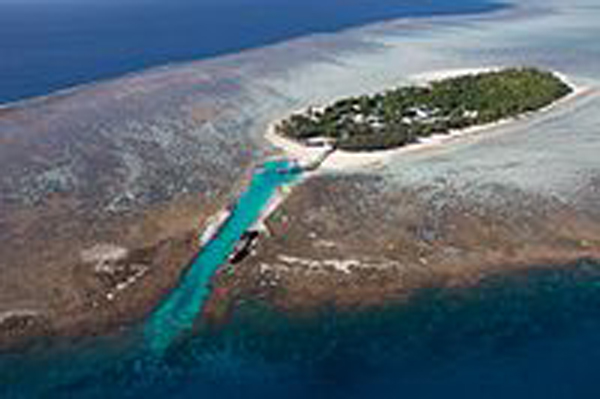
According to media reports, the Great Barrier Reef, a natural wonder, is facing its most severe bleaching on record, with nearly 22 per cent of its coral, mostly in its northern sections, having died.
The report warned that while many potential visitors will seek out other Australian attractions, this research finds that many will choose to not visit Australia at all. Based on polling of China, UK and USA, almost 175,000 people each year from these countries are more likely to visit a country other than Australia if bleaching persists.
“While there has been lots of talk about the potential tourism impacts of coral bleaching, this is the first time anyone has gone to our key tourism markets and asked them what they might do if we aren’t able to better protect the reef,” Executive Director of The Australia Institute, Ben Oquist said.
And the conclusions are rather grim.
“The regions along the reef could lose a million visitors per year, billions in revenue and 10,000 jobs,” added Ben Oquist.
According to him, "the Queensland economy is modern and diverse. Four in five people work in service industries, while only 1 percent work in the coal industry. Policies such as a moratorium on new coal mines can be implemented with a minimal effect on the Queensland economy."
Image: Wikimedia Commons
Support Our Journalism
We cannot do without you.. your contribution supports unbiased journalism
IBNS is not driven by any ism- not wokeism, not racism, not skewed secularism, not hyper right-wing or left liberal ideals, nor by any hardline religious beliefs or hyper nationalism. We want to serve you good old objective news, as they are. We do not judge or preach. We let people decide for themselves. We only try to present factual and well-sourced news.