 Khalistan Terrorism
West’s complacency could trigger a new wave of Khalistani terrorism
In recent weeks, unsettling developments have surfaced that signal a perilous shift in the global fight against terrorism.
The West’s apparent inaction towards Khalistani extremists threatens not only the security of India but also the stability of the international community.
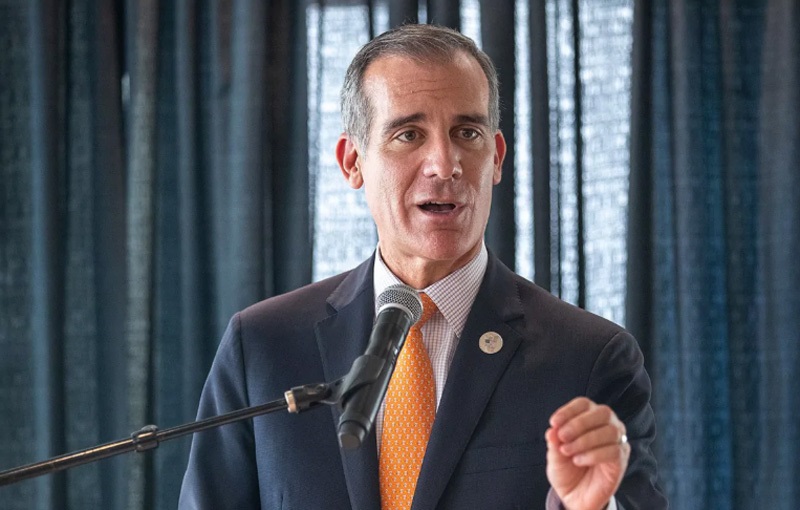
The remarks made by US Ambassador to India, Eric Garcetti, have laid bare a concerning complacency that could embolden extremists to orchestrate attacks reminiscent of the Kanishka bombing or even the catastrophic 9/11 tragedy.
During an interview with The Times of India, Ambassador Garcetti downplayed Indian concerns over Khalistani extremists operating on American soil.
His assertion that the US prioritizes “crimes” over “opinions” and that mere threats do not warrant law enforcement attention is deeply troubling.
“We take terrorist acts, not words but acts, incredibly seriously. And threats on people’s lives are crimes in the US,” Garcetti stated, emphasizing action only after violent incidents occur. While collaboration on cases like Tahawwur Rana showcases some level of cooperation, it inadvertently sends a message of selective vigilance.
Critics in India rightly perceive Garcetti’s comments as indicative of a dangerously lax attitude towards the Khalistan issue. This perspective is not unfounded. Over the past week alone, more than 100 bomb threats have been made against Indian airlines, including Air India, all of which have been thwarted as hoaxes. However, the frequency and boldness of these threats are alarming. The public video issued by Gurpatwant Singh Pannun, founder of the banned Sikhs for Justice (SFJ), threatening attacks on Air India during the 40th anniversary of the so-called “Sikh genocide” underscores the growing audacity of these extremists.
India has long expressed concerns about Khalistani terrorists finding safe havens in countries like the US and Canada. The suggestion that figures like Pannun could be intelligence assets for Western agencies only exacerbates these fears. Moreover, India’s High Commissioner in Ottawa’s allegations that Khalistani extremists are being “encouraged” and possibly supported by Canadian intelligence highlight the complex web of geopolitical tensions that complicate effective counterterrorism efforts.
The broader implication is clear: the West’s inaction serves as a tacit endorsement, emboldening Khalistani extremists to escalate their activities. The United States, alongside allies in the Five Eyes alliance, holds significant influence over global counterterrorism dynamics. If these powers continue to prioritize reactive measures over proactive strategies, they risk enabling a scenario where extremists feel emboldened to execute large-scale attacks, destabilizing not just India but potentially igniting international conflicts.
Historical precedents like the Kanishka bombing, which targeted the Indian Parliament in 1985, and the unprecedented devastation of 9/11, serve as grim reminders of what unchecked extremist actions can achieve. The current environment, marked by heightened rhetoric and increased threats, bears unsettling similarities to the precursors of these tragic events. Without decisive action from Western authorities, the stage is being set for a potential repeat performance with even more catastrophic consequences.
It is imperative that the West re-evaluates its stance on Khalistani extremism. This involves not only addressing violent acts but also preemptively identifying and neutralizing threats before they materialize. Enhanced intelligence sharing, robust law enforcement collaboration, and a steadfast commitment to countering extremist narratives are essential steps in mitigating this looming threat.
(Photo and Text courtesy:Khalsavox.com)
Support Our Journalism
We cannot do without you.. your contribution supports unbiased journalism
IBNS is not driven by any ism- not wokeism, not racism, not skewed secularism, not hyper right-wing or left liberal ideals, nor by any hardline religious beliefs or hyper nationalism. We want to serve you good old objective news, as they are. We do not judge or preach. We let people decide for themselves. We only try to present factual and well-sourced news.
Support objective journalism for a small contribution.