Cabinet approves ratification of the Minamata Convention on Mercury
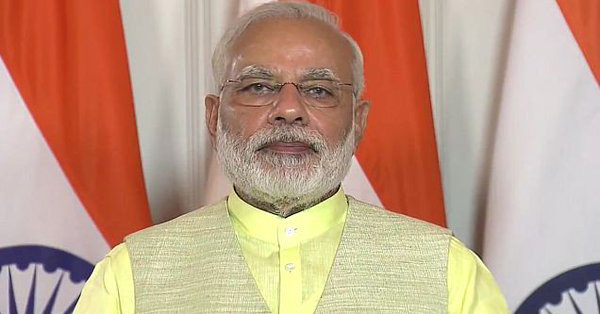
New Delhi, Feb 7 (IBNS): Union Cabinet chaired by Prime Minister Narendra Modi has approved the proposal for ratification of Minamata Convention on Mercury and depositing the instrument of ratification enabling India to become a Party of the Convention.
The approval entails Ratification of the Minamata Convention on Mercury along with flexibility for continued use of mercury-based products and processes involving mercury compound up to 2025, read a government statement.
The Minamata Convention on Mercury will be implemented in the context of sustainable development with the objective to protect human health and environment from the anthropogenic emissions and releases of mercury and mercury compounds.
The Convention protects the most vulnerable from the harmful effects of mercury and also protects the developmental space of developing countries. Therefore, the interest of the poor and vulnerable groups will be protected.
The Minamata Convention on Mercury will further urge enterprises to move to mercury-free alternatives in products and non-mercury technologies in manufacturing processes. This will drive research & development, and promote innovation.
Support Our Journalism
We cannot do without you.. your contribution supports unbiased journalism
IBNS is not driven by any ism- not wokeism, not racism, not skewed secularism, not hyper right-wing or left liberal ideals, nor by any hardline religious beliefs or hyper nationalism. We want to serve you good old objective news, as they are. We do not judge or preach. We let people decide for themselves. We only try to present factual and well-sourced news.
Support objective journalism for a small contribution.