 Nobel Prize
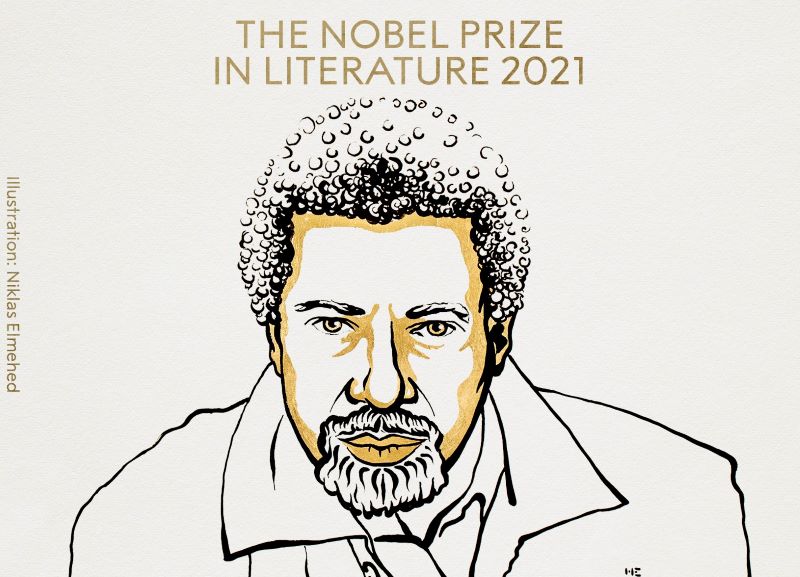
Nobel Prize in Literature awarded to Tanzanian novelist Abulrazak Gurnah
Stockholm/UNI/Sputnik/IBNS: The 2021 Nobel Prize in literature has been awarded to Tanzanian novelist Abulrazak Gurnah on Thursday.
"The 2021 #NobelPrize in Literature is awarded to the novelist Abdulrazak Gurnah "for his uncompromising and compassionate penetration of the effects of colonialism and the fate of the refugee in the gulf between cultures and continents," the official Twitter account of the Nobel Prize said.
BREAKING NEWS:
— The Nobel Prize (@NobelPrize) October 7, 2021
The 2021 #NobelPrize in Literature is awarded to the novelist Abdulrazak Gurnah “for his uncompromising and compassionate penetration of the effects of colonialism and the fate of the refugee in the gulf between cultures and continents.” pic.twitter.com/zw2LBQSJ4j
Gurnah was born in 1948 and grew up on the island of Zanzibar in the Indian Ocean but arrived in England as a refugee in the end of the 1960’s.
Gurnah has published ten novels and a number of short stories. The theme of the refugee’s disruption runs throughout his work. He began writing as a 21-year-old in English exile, and even though Swahili was his first language, English became his literary tool.
He has said that in Zanzibar, his access to literature in Swahili was virtually nil and his earliest writing could not strictly be counted as literature.
Arabic and Persian poetry, especially The Arabian Nights, were an early and significant wellspring for him, as were the Quran’s surahs. But the English-language tradition, from Shakespeare to V. S. Naipaul, would especially mark his work.
Support Our Journalism
We cannot do without you.. your contribution supports unbiased journalism
IBNS is not driven by any ism- not wokeism, not racism, not skewed secularism, not hyper right-wing or left liberal ideals, nor by any hardline religious beliefs or hyper nationalism. We want to serve you good old objective news, as they are. We do not judge or preach. We let people decide for themselves. We only try to present factual and well-sourced news.
Support objective journalism for a small contribution.