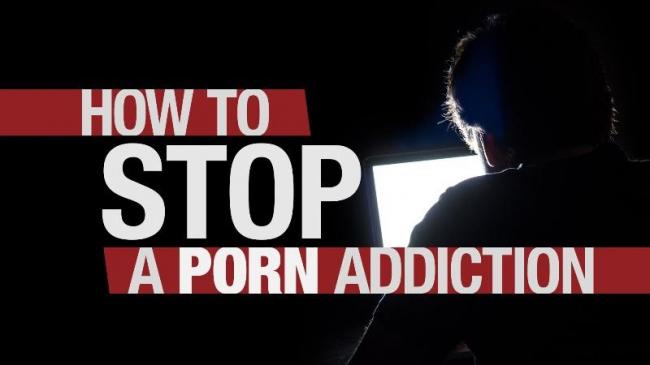
Boys and porn: Researchers find age of first exposure linked to sexist attitudes
The Nebraska study, based upon a survey of 330 undergraduate men ages 17 to 54, was a first look at whether the age at which boys first viewed pornography shaped their attitudes about masculinity and sexuality.
The researchers found that the younger a boy was when first exposed to porn, the more likely he was to believe that men should dominate women. Unexpectedly, the opposite held true for playboy attitudes. The older the boy was when he first looked at pornography, the more likely he was to have heightened sexuality and interest in multiple sexual partners.
Team members presented their findings Aug. 3 during the American Psychological Association conference in Washington, D.C.
In recent years, pornography use has become widespread among young American males, the likely result of its easy availability via the internet. A 2008 study showed 87 percent of young adult men view pornography and half look at it weekly.
Researchers Alyssa Bischmann and Chrissy Richardson, who both are pursuing doctorates in counseling psychology, said they were surprised by their findings. They expected that men who began viewing pornography at younger ages would be more likely to hold both norms.
“We expected that the younger the boys were when first exposed to pornography, the more likely they were to adopt playboy norms as well as norms of masculine power over women,” Bischmann said.
On average, survey respondents reported they were a little older than 13 when they were first exposed to pornography. More than 43 percent said the first time they saw pornography was by accident, while 33 percent said they sought it out and 17 percent said someone else forced them to view pornography. The remaining 6 percent did not answer. Recipients also were asked a series of 46 questions designed to measure masculine norms.
Bischmann and Richardson said more research is necessary to identify other factors at play, such as negative sexual experiences, performance anxiety, religiosity and frequency of use.
“There’s not been a lot research into masculinity and pornography. We don’t have a lot of theories that would explain this unexpected inverse relationship between pornography use and playboy norms,” Richardson said.
Anecdotally, Richardson said she has observed sexual difficulties among clients who struggle with pornography use. The gap between real-life sexuality and what is portrayed in pornography might help explain why those who began viewing pornography at younger ages don’t develop playboy norms.
Other members of the research team were Justine Diener O’Leary and Marco Gullickson, doctoral students in counseling psychology; Meghan Davidson, associate professor of educational psychology; and Sarah Gervais, associate professor of psychology.
Support Our Journalism
We cannot do without you.. your contribution supports unbiased journalism
IBNS is not driven by any ism- not wokeism, not racism, not skewed secularism, not hyper right-wing or left liberal ideals, nor by any hardline religious beliefs or hyper nationalism. We want to serve you good old objective news, as they are. We do not judge or preach. We let people decide for themselves. We only try to present factual and well-sourced news.
Support objective journalism for a small contribution.