


WHO calls for stronger measures against Zika as Thailand confirms disease-related microcephaly
“Zika virus infection is a serious threat to the health and wellbeing of a pregnant woman and her unborn child. Countries across the Region must continue to strengthen measures aimed at preventing, detecting and responding to Zika virus transmission,” Dr Poonam Khetrapal Singh, Regional Director, WHO South-East Asia, said.
Thailand has confirmed two cases of Zika-related microcephaly, which, along with other neurological disorders, can occur when a neonate has been exposed to Zika virus in utero.
“Thai authorities have been active in detecting and responding to Zika virus,” Dr Khetrapal Singh said. “Thailand’s diligence underscores the commitment of health authorities to the health and wellbeing of the Thai public, and provides a positive example to be emulated.”
The presence of Zika virus in the WHO South-East Asia Region has been documented in recent years, including from Thailand, Indonesia, Maldives and Bangladesh.
Since a Public Health Emergency of International Concern was declared in February, WHO has been working with countries across the Region to strengthen Zika virus and birth-defect surveillance; enhance vector surveillance and control; scale-up laboratory capacity; and amplify risk communication and community engagement. All countries now have the laboratory capacity to conduct Zika virus testing, as well as to assess and identify microcephaly cases.
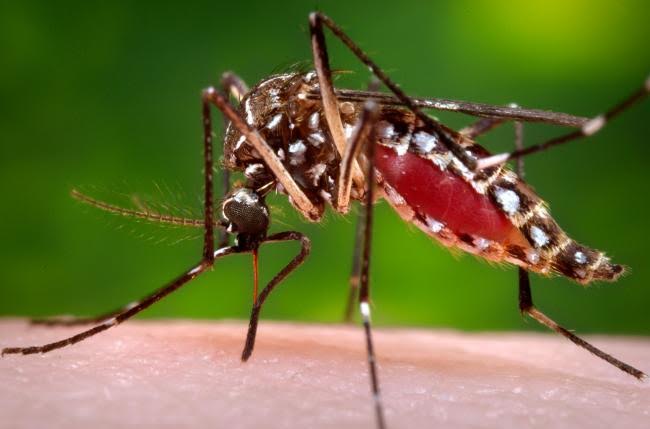
In addition to official efforts, WHO has been urging householders and community groups to be on the frontlines of mosquito control. “Controlling mosquito populations is crucial to diminishing Zika virus transmission, as well as the transmission of other vector-borne diseases such as dengue and chikungunya. Alongside government efforts, householders are encouraged to disrupt standing water that can gather in gutters, pot plants and spare or discarded tires, and to dispose of household waste in sealed plastic bags,” Dr Khetrapal Singh said.
“WHO also urges pregnant women as well as the rest of the general public to take precautions to limit mosquito-human contact, including wearing long-sleeved, light colored clothing; using mosquito repellant; sleeping under a bed net; and fitting windows and doors with screens wherever possible.”
Based on available evidence, WHO does not recommend trade or travel restrictions with countries, areas and/or territories with Zika virus transmission. Travelers to areas with Zika virus outbreaks should seek up-to-date advice on potential risks and appropriate measures to reduce the possibility of exposure to mosquito bites and sexual transmission of Zika.
Pregnant women should be advised not to travel to areas of ongoing Zika virus transmission. Pregnant women’s sexual partners living in or returning from areas with Zika virus outbreaks should ensure safer sex or abstain from sex for the duration of their partner’s pregnancy.
For regions with active transmission of Zika virus, WHO recommends correct counselling and that women be offered a full range of contraceptive methods to enable informed choice regarding whether and when to become pregnant. WHO recommends safer sex or abstinence for a period of 6 months for men and women who are returning from areas of active transmission, whether they are trying to conceive or not.
Image: UN
Support Our Journalism
We cannot do without you.. your contribution supports unbiased journalism
IBNS is not driven by any ism- not wokeism, not racism, not skewed secularism, not hyper right-wing or left liberal ideals, nor by any hardline religious beliefs or hyper nationalism. We want to serve you good old objective news, as they are. We do not judge or preach. We let people decide for themselves. We only try to present factual and well-sourced news.
Support objective journalism for a small contribution.


