


 WHO
WHO
WHO and partners urge countries to halt sales of wild mammals at food markets
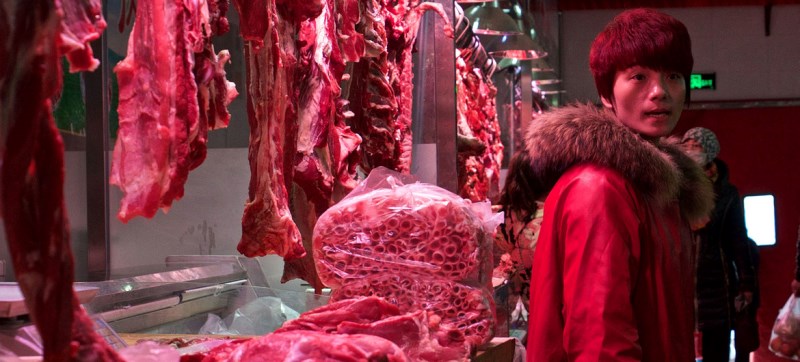
New York: The World Health Organization (WHO) and partners have called for countries to suspend sales of live wild mammals in traditional food markets, also known as “wet markets”, in efforts to prevent the emergence of new deadly diseases, such as COVID-19.
The interim guidance, published on Tuesday, is aimed at reducing public health risks associated with these transactions as most emerging infectious diseases have wildlife origins.
“Globally, traditional markets play a central role in providing food and livelihoods for large populations. Banning the sale of these animals can protect people’s health – both those working there and those shopping there”, they said in a press release.
No way to check for viruses
The temporary guidelines were issued by WHO alongside the World Organization for Animal Health (OIE) and the UN Environment Programme (UNEP).
They said animals, particularly wild animals, are the source of more than 70 per cent of all emerging infectious diseases in humans, many of which are caused by novel viruses. Wild mammals sold in markets pose particular risk as there is no way to check if they carry dangerous viruses.
"Traditional markets, where live animals are held, slaughtered and dressed, pose a particular risk for pathogen transmission to workers and customers alike," the guidance stated.
The partners noted that some of the earliest known cases of COVID-19, which is caused by the novel coronavirus SARS-CoV-2, were linked to a traditional food market in Wuhan, China. Many of the first people to have the disease were stall owners, market employees or regular visitors.
“It is likely that the virus that causes COVID-19 originated in wild animals, as it belongs to a group of coronaviruses normally found in bats”, they said.
“One hypothesis is that the virus was initially transmitted to humans through an intermediary animal host that is, as yet, unknown. Another possibility is that the virus was transmitted directly from a host species of animal to humans.”
Additional hygiene guidance
In addition to halting sales of wild animals, the guidelines also call for governments to close markets, or sections of markets, and to re-open them “only on condition that they meet required food safety, hygiene and environmental standards and comply with regulations.”
Authorities are also urged to improve hygiene and sanitation at traditional food markets to reduce transmission of zoonotic diseases.
“During this pandemic, additional measures for crowd control and physical distancing, hand washing and sanitizing stations as well as education on respiratory hygiene including on use of face masks should be introduced in market settings to limit the possibility of person-to-person transmission of disease,” they added.
Support Our Journalism
We cannot do without you.. your contribution supports unbiased journalism
IBNS is not driven by any ism- not wokeism, not racism, not skewed secularism, not hyper right-wing or left liberal ideals, nor by any hardline religious beliefs or hyper nationalism. We want to serve you good old objective news, as they are. We do not judge or preach. We let people decide for themselves. We only try to present factual and well-sourced news.
Support objective journalism for a small contribution.


