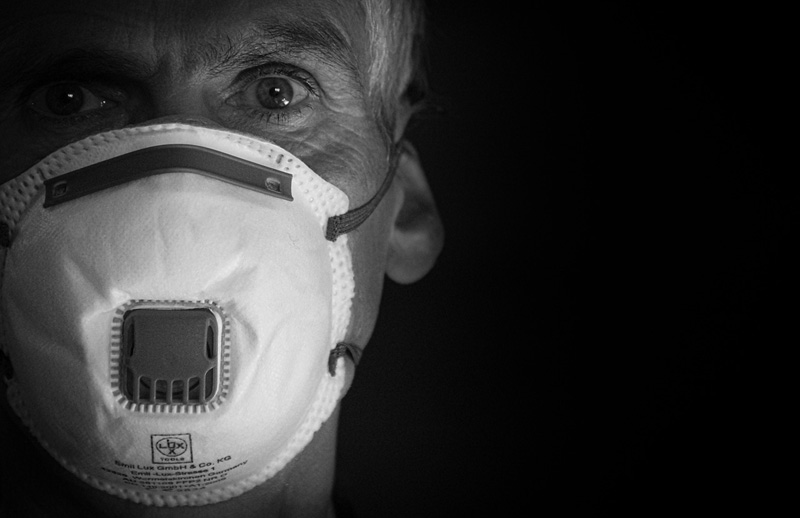
 Pandemic
US not prepared for next pandemic: CDC director
Washington: The United States is not prepared for the next pandemic because parts of the public health systems are still reliant on "old fax machines," said outgoing director of the U.S. Centers for Disease Control and Prevention (CDC) Rochelle Walensky in an article published on Tuesday.
"As the leader of the CDC, I had the privilege of a unique perspective, seeing public health in the United States for both its challenges and its gifts. And yet the agency has been sidelined, chastened by early missteps with COVID and battered by persistent scrutiny," she wrote in the opinion published in The New York Times.
Walensky will depart the CDC at the end of June.
"The job of public health is to strike an appropriate balance between protecting the health of all those who live in the United States while minimizing the disruption to the normal functioning of society," she wrote.
Decades of underinvestment in public health rendered the United States ill prepared for a global pandemic, she wrote.
To this day some of the U.S. public health data systems are reliant on "old fax machines," Walensky wrote.
National laboratories lack both state-of-the-art equipment and skilled bench scientists to work them. During the pandemic, the answer to these prevailing problems was a rapid infusion of money -- resources that were swiftly withdrawn, Walensky wrote in the article.
(With UNI inputs)
Support Our Journalism
We cannot do without you.. your contribution supports unbiased journalism
IBNS is not driven by any ism- not wokeism, not racism, not skewed secularism, not hyper right-wing or left liberal ideals, nor by any hardline religious beliefs or hyper nationalism. We want to serve you good old objective news, as they are. We do not judge or preach. We let people decide for themselves. We only try to present factual and well-sourced news.
Support objective journalism for a small contribution.