UN health agency to examine lower-cost ‘biosimilar’ drugs to expand access to cancer treatment
Biotherapeutic medicines, which are produced from biological sources, such as cells rather than synthesised chemicals, are important treatments for some cancers and other non-communicable diseases. Like generic medicines, biosimilars, which are usually manufactured by other companies once the product’s original patent has expired, can be much less expensive versions of innovator biotherapeutics.
“Innovator biotherapeutic products are often too expensive for many countries, so biosimilars are a good opportunity to expand access and support countries to regulate and use these medicines,” said Dr. Marie-Paule Kieny, WHO Assistant Director General for Health Systems and Innovation, in a press statement.
In September, the UN health agency will invite manufacturers to submit applications for prequalification of biosimilar versions of two products in the WHO Essential Medicines List: rituximab (for non-Hodgkin's lymphoma and chronic lymphocytic leukemia), and trastuzumab (to treat breast cancer).
The decision comes after a two-day meeting in Geneva between WHO, national regulators, pharmaceutical industry groups, patient and civil society groups, payers and policymakers to discuss ways to increase access to biotherapeutic medicines. WHO also plans to explore options for prequalifying insulin.
“Biosimilars could be game-changers for access to medicines for certain complex conditions,” said Dr. Suzanne Hill, WHO’s Director of Essential Medicines and Health Products. “But they need to be regulated appropriately to ensure therapeutic value and patient safety.”
According to WHO, if it finds that biosimilars submitted for prequalification are comparable in terms of quality, safety and efficacy to originator products, it will list the medications and become eligible for procurement by UN agencies. As many low- and middle-income countries rely on WHO prequalification before buying medicines, an additional benefit could be to increase competition and further reduce the price of medicines.
WHO will also review its 2009 Guidelines on the evaluation of similar biotherapeutic products to ensure that WHO’s guidance to national regulatory authorities reflects recent evidence and experience.
Increased use of biosimilars will also require patients and their physicians to understand and trust that the benefits of this type of medicine substantially outweigh any risks. WHO will be looking to countries with positive experience of biosimilars and partners for support in educating prescribers and patients on their benefits and in advocating for greater awareness of biosimilars.
In addition, WHO will advocate for fairer prices for all biotherapeutics to ensure that these treatments can truly benefit public health. This will include support to countries to develop price-setting strategies that foster sustainable markets to deliver treatments to patients, savings to payers and incentives to producers to keep manufacturing the medicines needed.
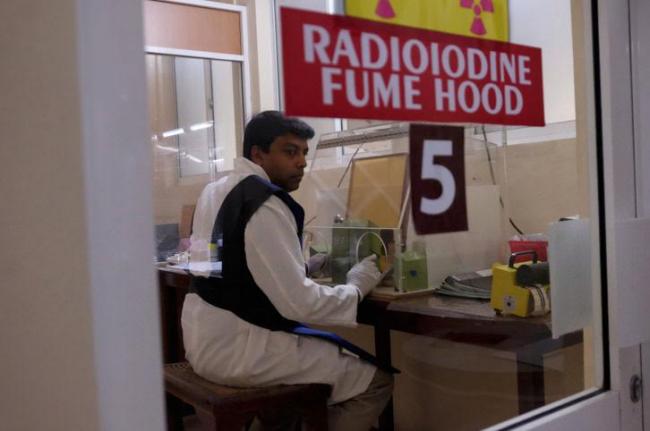
Photo: IAEA
Support Our Journalism
We cannot do without you.. your contribution supports unbiased journalism
IBNS is not driven by any ism- not wokeism, not racism, not skewed secularism, not hyper right-wing or left liberal ideals, nor by any hardline religious beliefs or hyper nationalism. We want to serve you good old objective news, as they are. We do not judge or preach. We let people decide for themselves. We only try to present factual and well-sourced news.
Support objective journalism for a small contribution.