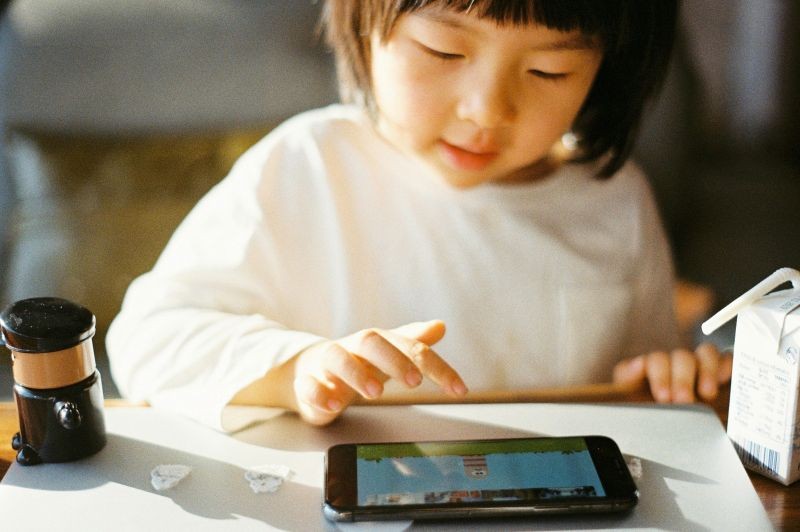
 Social Media
Too much social media? Scientists find link to attention loss in kids
Children who spend significant time on social media may experience a gradual decline in their ability to concentrate, according to a comprehensive new study by Sweden’s Karolinska Institutet.
Published in Pediatrics Open Science, the research followed more than 8,000 children from around age 10 to 14 and examined whether increased screen use is linked to attention-deficit and hyperactivity-related symptoms.
Screen use has risen sharply over the past 15 years, coinciding with a growing number of ADHD diagnoses in Sweden and other countries. Researchers from Karolinska Institutet and Oregon Health & Science University in the United States sought to determine whether digital media habits—particularly social media use—could be contributing to this trend.
Tracking Screen Habits and Attention
The study tracked 8,324 children aged 9–10 in the United States over four years. Children reported how much time they spent on social media, watching television or online videos, and playing video games, while parents assessed symptoms of inattention and hyperactivity/impulsiveness.
The findings showed a clear pattern: children who spent more time on social media platforms—such as Instagram, Snapchat, TikTok, Facebook, Twitter or Messenger—gradually developed increased symptoms of inattention. No similar association was found for watching television or playing video games.
Social Media Stands Out
“Our study suggests that it is specifically social media that affects children’s ability to concentrate,” said Torkel Klingberg, professor of cognitive neuroscience at the Department of Neuroscience, Karolinska Institutet. “Social media entails constant distractions in the form of messages and notifications, and even thinking about whether a message has arrived can disrupt focus. This may explain the association we observed.”
Population-Level Impact
The association remained consistent regardless of socioeconomic background or genetic predisposition to ADHD. Importantly, children who already showed signs of inattention did not increase their social media use, indicating that social media use likely contributes to attention difficulties rather than the other way around.
The researchers did not observe an increase in hyperactive or impulsive behaviour. While the effect on concentration was modest at the individual level, the authors noted that it could have meaningful consequences at the population level.
“Greater consumption of social media may explain part of the rise in ADHD diagnoses, even though ADHD also includes hyperactivity, which did not increase in our study,” Professor Klingberg said.
Implications for Parents and Policymakers
The researchers stressed that the findings do not mean all children who use social media will develop concentration problems. However, they highlight the need for discussions around age limits and platform design.
During the study period, average daily social media use increased from about 30 minutes among 9-year-olds to approximately 2.5 hours by age 13—despite many platforms setting a minimum age requirement of 13.
“We hope that our findings will help parents and policymakers make well-informed decisions about healthy digital consumption that supports children’s cognitive development,” said lead author Samson Nivins, a postdoctoral researcher at Karolinska Institutet’s Department of Women’s and Children’s Health.
The researchers plan to continue monitoring the children beyond age 14 to determine whether the association persists over time.
The study was funded by the Swedish Research Council and the Masonic Home for Children in Stockholm Foundation. The authors reported no conflicts of interest.
Support Our Journalism
We cannot do without you.. your contribution supports unbiased journalism
IBNS is not driven by any ism- not wokeism, not racism, not skewed secularism, not hyper right-wing or left liberal ideals, nor by any hardline religious beliefs or hyper nationalism. We want to serve you good old objective news, as they are. We do not judge or preach. We let people decide for themselves. We only try to present factual and well-sourced news.
Support objective journalism for a small contribution.