Spare the surgery: Drugs may combat hydrocephalus, Yale study finds
Post-hemorrhagic hydrocephalus (PHH), characterized by a buildup of cerebrospinal fluid (CSF) following hemorrhage of blood vessels in the brain, affects one in a thousand children and is currently treated almost exclusively by the surgical insertion of shunts in the brain.
“Shunts, like any hardware implant, are particularly susceptible to malfunction and infection, and therefore often require patients over the course of their lives to go back to the operating room numerous times,” said Dr. Kristopher T. Kahle, assistant professor of neurosurgery, pediatrics, and cellular & molecular physiology and senior author of the study published July 10 the journal Nature Medicine. “This is really a devastating problem for kids and their families so there is a great need for a pharmacological solution for a condition historically treated only by invasive neurosurgery.”
The most common explanation for this form of hydrocephalus is a failure of the brain to reabsorb cerebrospinal fluid due to clotting of blood or scarring of tissue. However, this model was based on little experimental evidence and new research shows that blood buildup triggers inflammation of the choroid plexus, a group of cells that produce CSF, and can cause an increase in CSF secretion. This can result in an increase in both CSF volume and intracranial pressure.
In work with an animal model of PHH, the Yale team — led by Kahle, also the director of Developmental Anomaly Neurosurgery at Yale-New Haven Hospital, and student Jason Karimy — showed that an approved diuretic and another drug originally designed to treat sepsis can mitigate this immune system response and reduce the secretion of CSF in the brain.
Researchers plan to pursue further pre-clinical studies and then launch a small clinical trial to see if a drug regimen and help reduce need for surgical interventions in patients with PHH due to brain bleeding after aneurysm rupture.
The National Institutes of Health and the Hydrocephalus Association provided primary funding for the research.
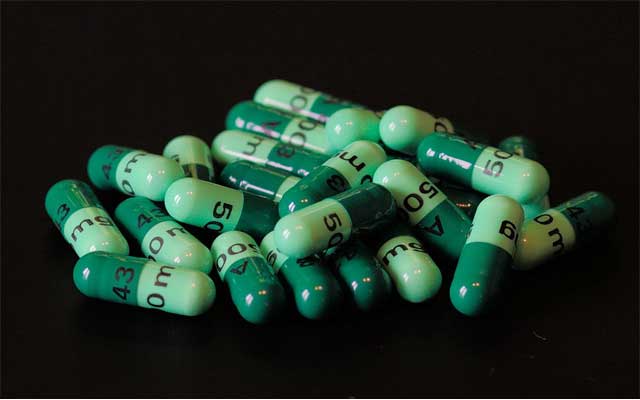
Image:wikimedia Commons
Support Our Journalism
We cannot do without you.. your contribution supports unbiased journalism
IBNS is not driven by any ism- not wokeism, not racism, not skewed secularism, not hyper right-wing or left liberal ideals, nor by any hardline religious beliefs or hyper nationalism. We want to serve you good old objective news, as they are. We do not judge or preach. We let people decide for themselves. We only try to present factual and well-sourced news.
Support objective journalism for a small contribution.