Smokers who quit one month before surgery reap benefits: UN health agency
New York/IBNS: Tobacco smokers who quit at least four weeks before undergoing surgery not only have a lower risk of complications, but also show better results six months later than those who continue, the United Nations health agency said on Monday.
While tobacco smokers face a significantly higher risk of post-surgical complications, including impaired heart and lung functions, infections and delayed wound healing, evidence from a new joint study by the World Health Organization (WHO), the University of Newcastle, Australia and the World Federation of Societies of Anesthesiologists reveals that patients who quit smoking are less likely to experience complications with anesthesia than those who do not.
New data shows that after four weeks, every tobacco-free week improves blood flow throughout the body to essential organs and improves health outcomes by 19 per cent.
“The report provides evidence that there are advantages to postponing minor or non-emergency surgery to give patients the opportunity to quit smoking, resulting in a better health outcome,” said Vinayak Prasad, Head of Unit, No Tobacco, WHO.
The Nicotine and carbon monoxide present in cigarettes can decrease oxygen levels and greatly increase risk of heart-related complications after surgery.
Tobacco also damages lungs, making it difficult for the proper amount of air to flow through – increasing the risk of post-surgical lung complications.
Smoking distorts a patient’s immune system, can delay healing and increases the risk of infection at the wound site. Smoking just one cigarette decreases the body’s ability to deliver necessary nutrients for healing after surgery.
“Complications after surgery present a large burden for both the health care provider and the patient”, explained Shams Syed, Coordinator, Quality of Care, WHO, adding that “primary care physicians, surgeons, nurses and families are important in supporting a patient to quit smoking at every stage of care, especially before an operation”.
WHO encourages countries to include cessation programmes and educational campaigns in their health systems to spread awareness and help people to quit.
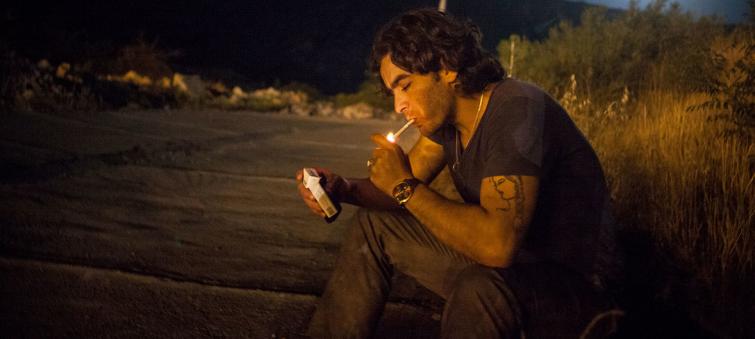
Photo caption and credit:
OCHA/Rawsht Twana
A man in Shaqlawa, Iraq, sits smoking, waiting for dawn.
Support Our Journalism
We cannot do without you.. your contribution supports unbiased journalism
IBNS is not driven by any ism- not wokeism, not racism, not skewed secularism, not hyper right-wing or left liberal ideals, nor by any hardline religious beliefs or hyper nationalism. We want to serve you good old objective news, as they are. We do not judge or preach. We let people decide for themselves. We only try to present factual and well-sourced news.
Support objective journalism for a small contribution.