Protein could prevent brain damage caused by stroke, says study
UQ Institute for Molecular Bioscience researcher Professor Glenn King, who led the research, said the small protein showed great promise as a future stroke treatment.
“We believe that we have, for the first time, found a way to minimise the effects of brain damage after a stroke,” Professor King said.
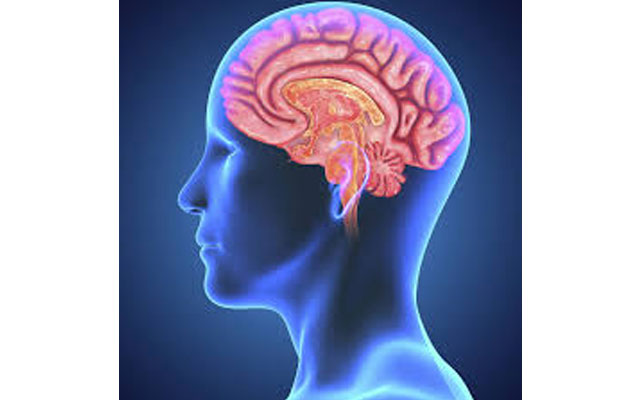
“The small protein we discovered, Hi1a, blocks acid-sensing ion channels in the brain, which are key drivers of brain damage after stroke.
“During preclinical studies, we found that a single dose of Hi1a administered up to eight hours after stroke protected brain tissue and drastically improved neurological performance.
“This world-first discovery will help us provide better outcomes for stroke survivors by limiting the brain damage and disability caused by this devastating injury.”
Stroke claims six million lives worldwide each year, and five million survivors are left with a permanent disability.
The Royal Melbourne Hospital’s Melbourne Brain Centre Director Professor Stephen Davis AM said the preclinical work was very promising.
"A safe and effective neuroprotectant could be given in the ambulance to most stroke patients before hospital arrival and enable many more stroke victims to be treated,” Professor Davis said.
“The next step is to determine whether these very encouraging results can be translated into successful human benefits in clinical trials.”
Professor King said he hoped this discovery could radically improve outcomes for stroke patients.
“One of the most exciting things about Hi1a is that it provides exceptional levels of protection for eight hours after stroke onset, which is a remarkably long window of opportunity for treatment,” he said.
“Hi1a even provides some protection to the core brain region most affected by oxygen deprivation, which is generally considered unrecoverable due to the rapid cell death caused by stroke.
“We are now working to secure financial support to fast-track this promising stroke therapy towards clinical trials.”
This research was published today in Proceedings of the National Academy of Sciences.
It involved scientists from UQ’s Institute for Molecular Bioscience, School of Biomedical Sciences, Queensland Brain Institute, and Centre for Advanced Imaging; and Monash University’s Biomedicine Discovery Institute and Department of Pharmacology.
Support Our Journalism
We cannot do without you.. your contribution supports unbiased journalism
IBNS is not driven by any ism- not wokeism, not racism, not skewed secularism, not hyper right-wing or left liberal ideals, nor by any hardline religious beliefs or hyper nationalism. We want to serve you good old objective news, as they are. We do not judge or preach. We let people decide for themselves. We only try to present factual and well-sourced news.
Support objective journalism for a small contribution.